
// Mission Statement:
To amplify the most interesting defence innovation from across all 32 NATO member countries
We bring you the most exciting, innovative and forward-thinking technology defence innovation
Our Latest Perspectives:
In the twenty-first century, conflict has expanded far beyond guns, borders, and physical terrain. Strategic competition increasingly targets how people think, decide, and assign trust. This shift has given rise to what military planners and scholars describe as cognitive warfare, a form of contest that operates not on the battlefield, but within the human mind.
For over a century, military communications were built around a simple logic: radios connect people. Orders flowed down hierarchical chains, reports flowed back up, and information moved along predefined paths. This model shaped the way forces organised themselves on the battlefield.
But now, that paradigm is now under sustained pressure.
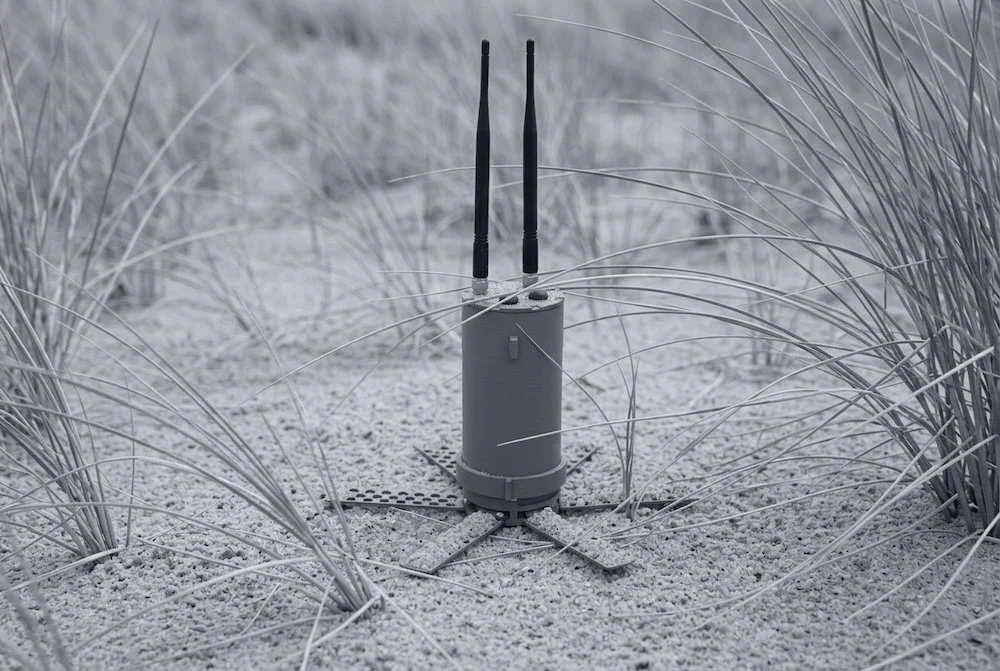
As low-cost drones proliferate, the decisive advantage is shifting away from interceptors and jammers, and upstream towards detection, classification and attribution. Passive RF, acoustic and optical sensing are becoming foundational, not supplementary.
Most of the world’s internet traffic runs under the sea. Submarine fibre-optic cables carry the vast majority of international data, connecting markets, banks, cloud platforms and military networks. Recent incidents in Northern Europe made this glaring strategic weakness painfully.
For decades, Western defence strategy has been shaped by kinetic threats, conventional military power, territorial defence, and deterrence based on visible force. While these capabilities are still essential, they are no longer sufficient on their own. Biological risk is emerging as a strategic defence issue that challenges the assumptions underpinning traditional military postures.
Latest Defence Events Reports:
On 17th November 2025, London Business School hosted the inaugural Business of Defence conference, drawing over 300 participants into Nuffield Hall to explore how technology, capital and strategy are reshaping the defence landscape.
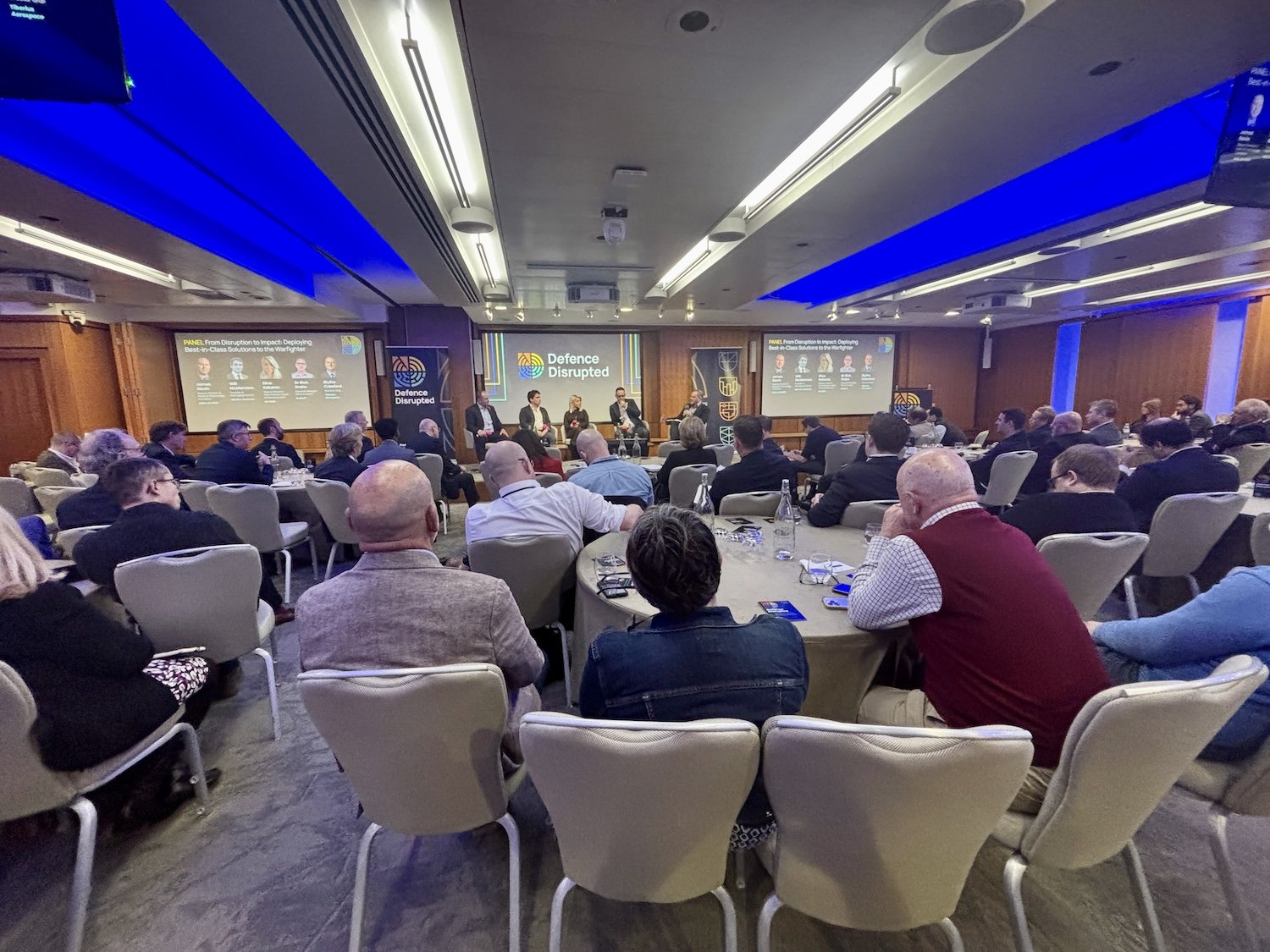
On 4 November 2025, London played host to Defence Disrupted 2025 , a one-day conference uniting military leaders, technologists, investors, and defence innovators. The event focused on one core mission, accelerating capability and rethinking how innovation moves from concept to deployment in modern defence.
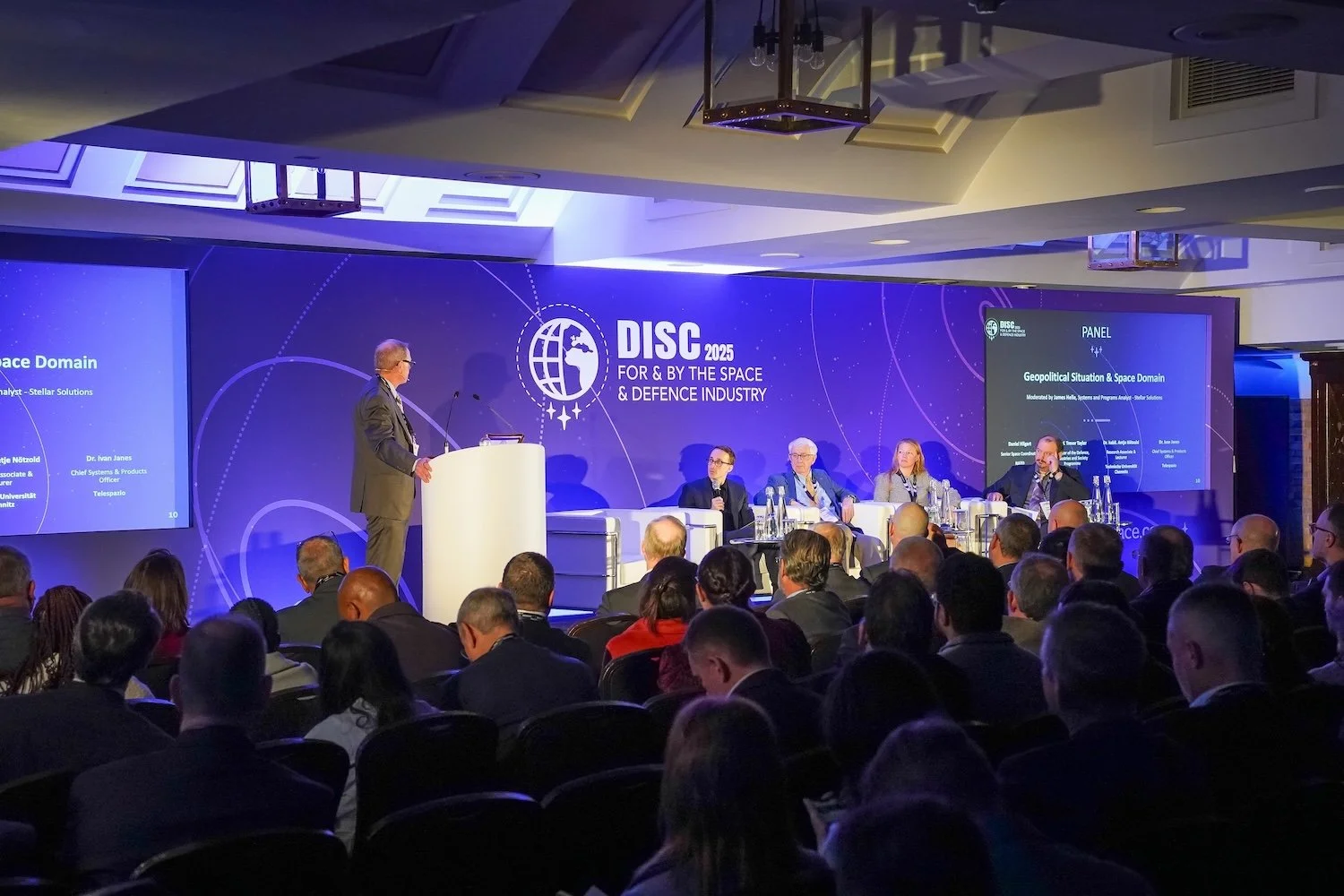
Held on 28–29 October, the Defence in Space 2025 conference brought together defence leaders, space industry pioneers, and policy strategists in London for two days of discussion about the shifting realities of military operations beyond Earth’s atmosphere.
Held in a Creative Hub, the Defence Hack Day run by the team at European Defense Tech Hub (EDTH), staged as part of Estonian Defence Week and the wider Defence Expo, carried the weight of something larger than a single-day event, where participants were challenged to address pressing problems drawn directly from current conflicts.
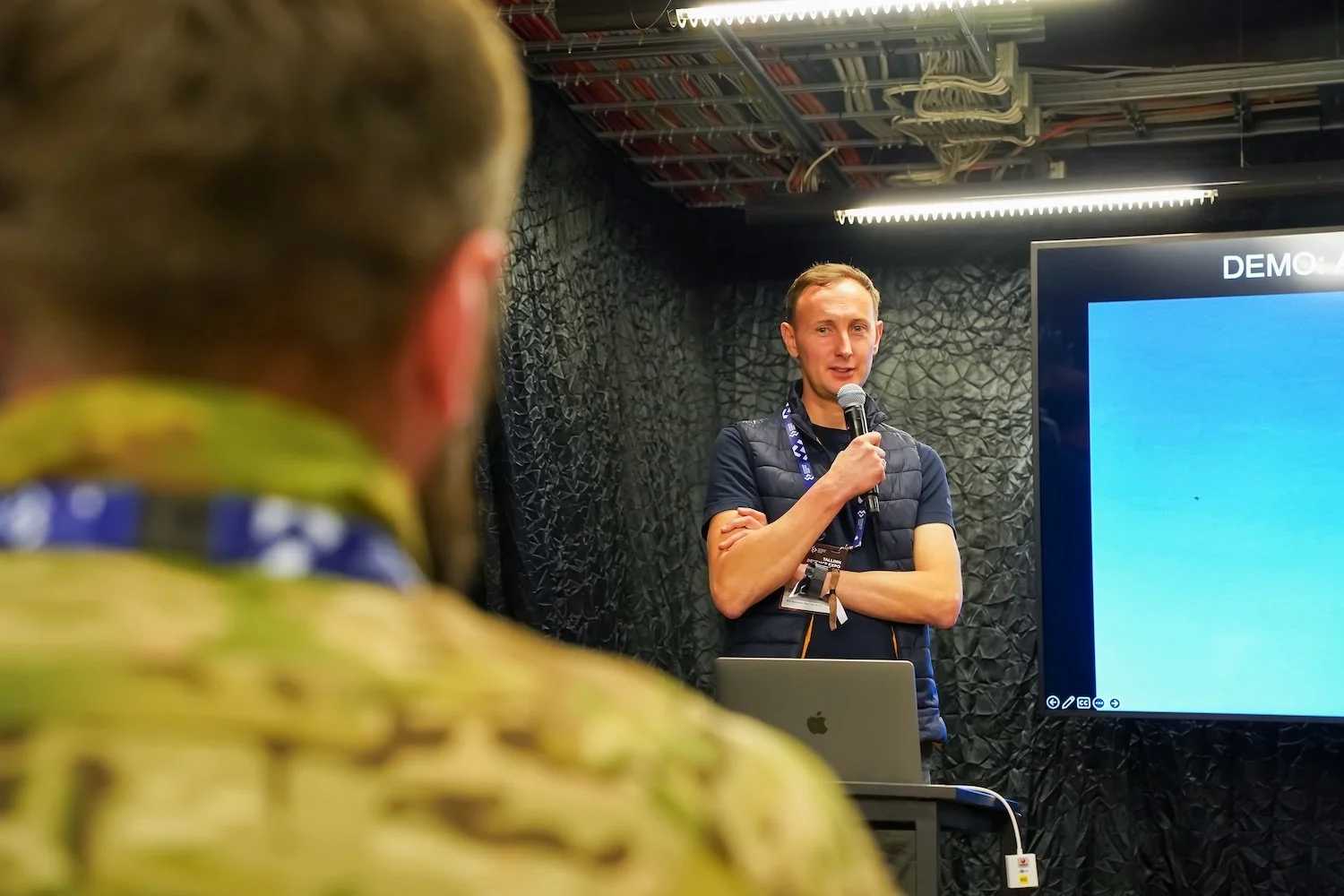
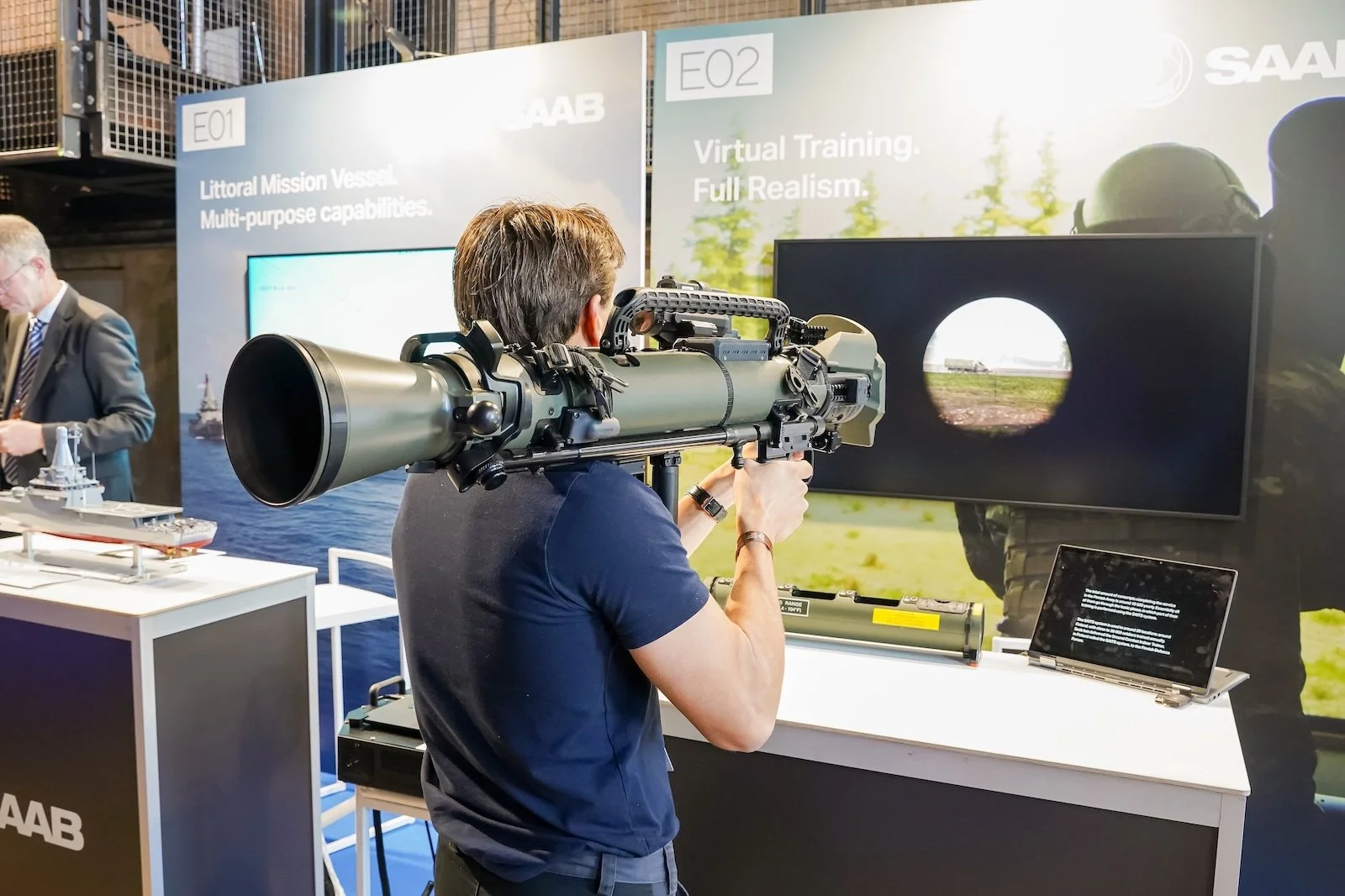
Taking place on 24–25 September in the Estonian capital, the Tallinn Defence Expo was the flagship event of the first Estonian Defence Week.
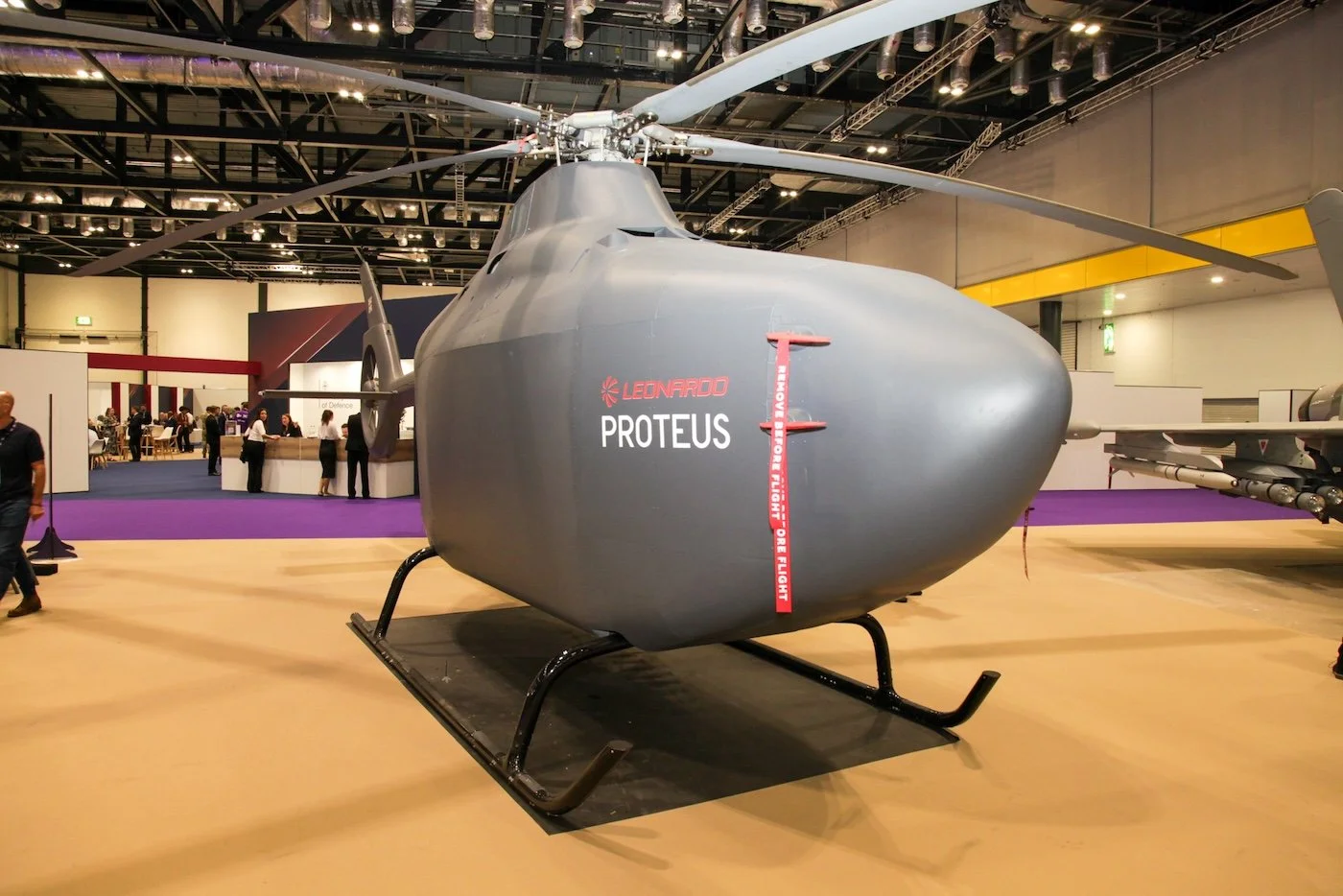
Defence & Security Equipment International (DSEI) 2025, held at ExCeL London from 9–12 September, stood as a landmark biennial gathering for the global defence and security sector.
Drawing participation from over 1,600 exhibitors and more than 35,000 visitors representing 90+ nations, the event offered one of the most comprehensive showcases of defence, security, and technology capabilities.
The International Security Expo 2024, held at the Kensington Olympia, London on September 26-27, served as one of the largest global gatherings for security professionals and organisations.
It brought together more than 10,000 attendees and over 350 exhibitors, making it a key event for cutting-edge security technologies, governmental partnerships, and thought leadership.
Covering the latest advances in NATO defence innovation to keep you fully informed.