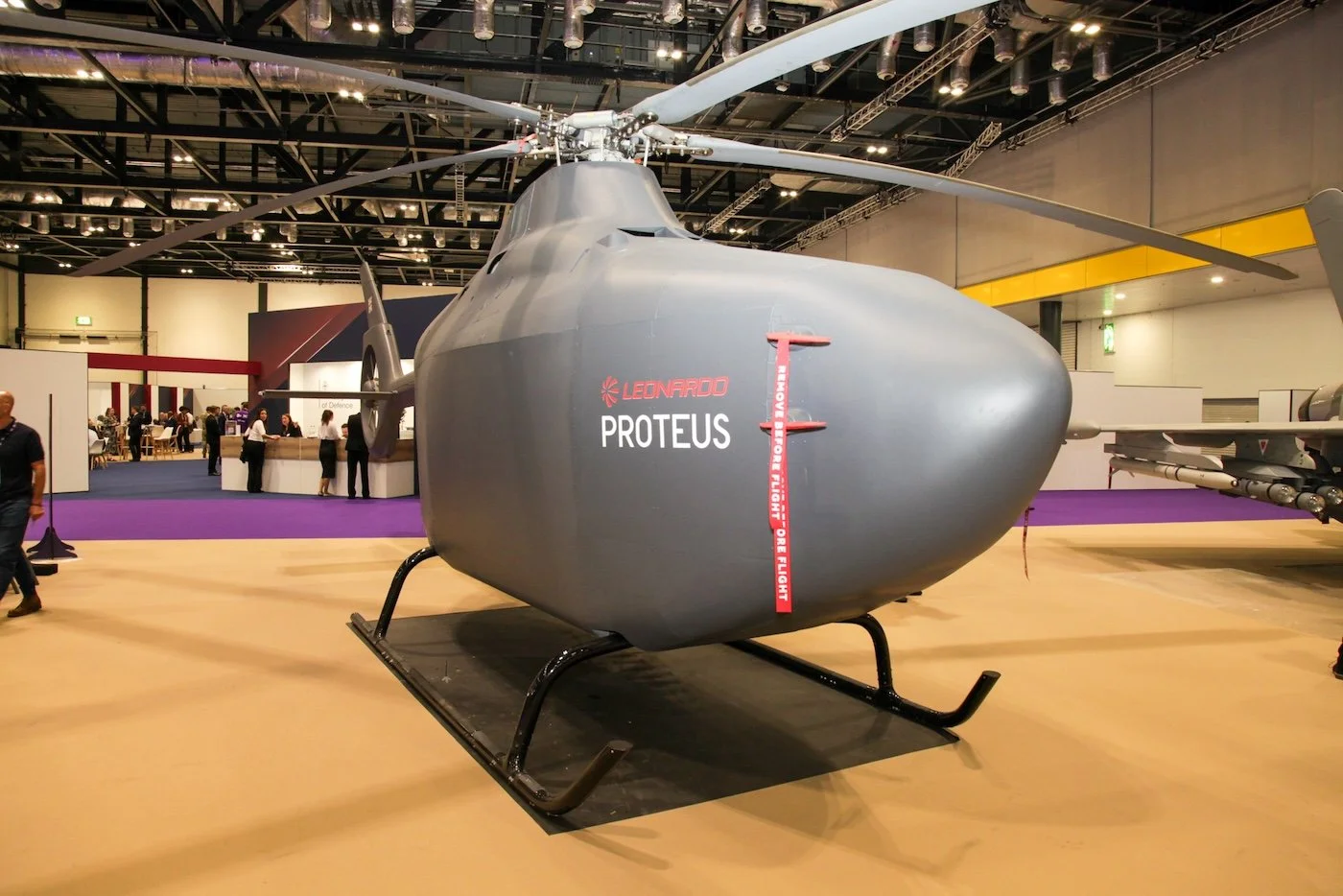
Specialist Defence and Security Convention (SDSC), UK, Feb 2026
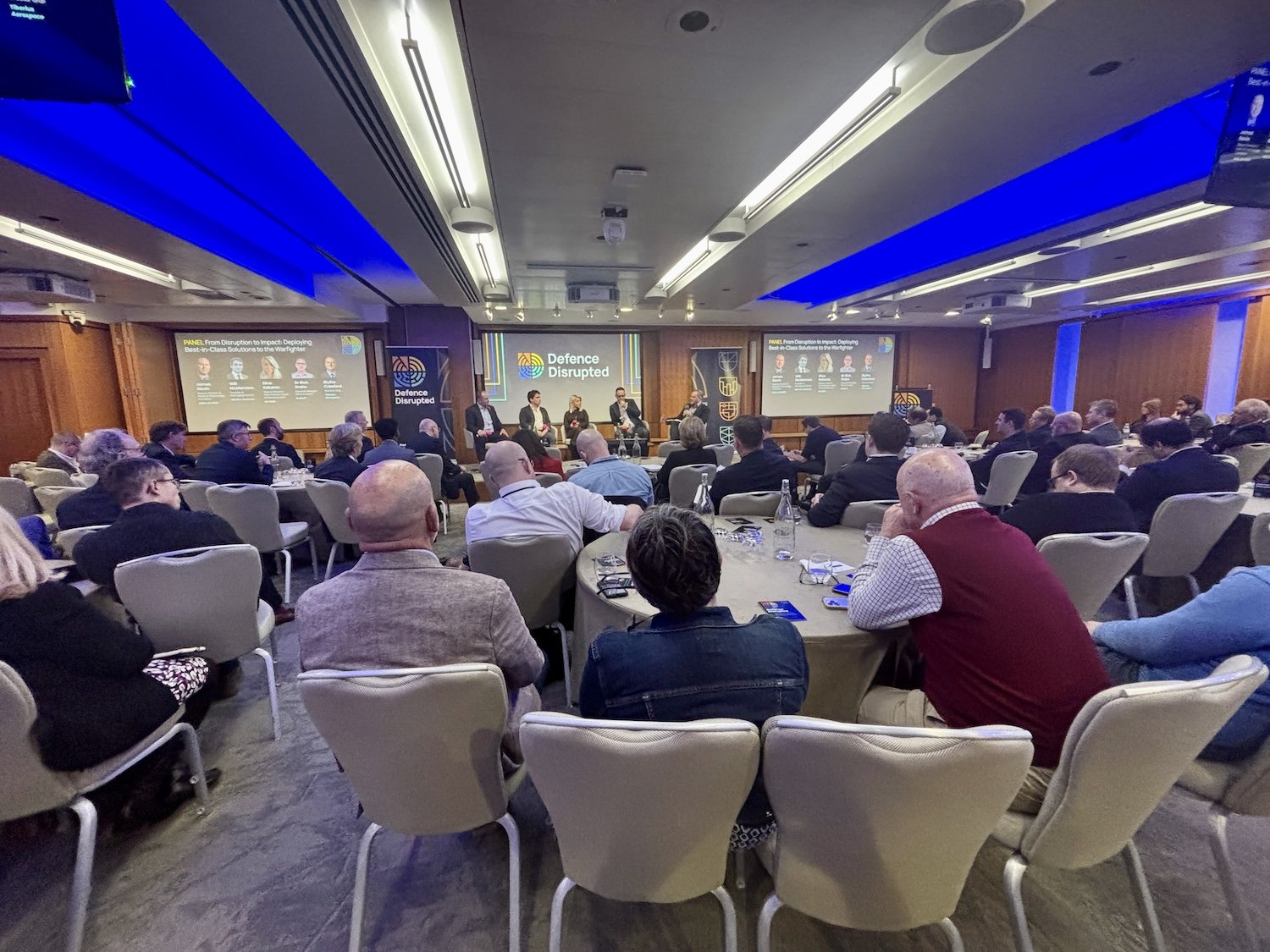
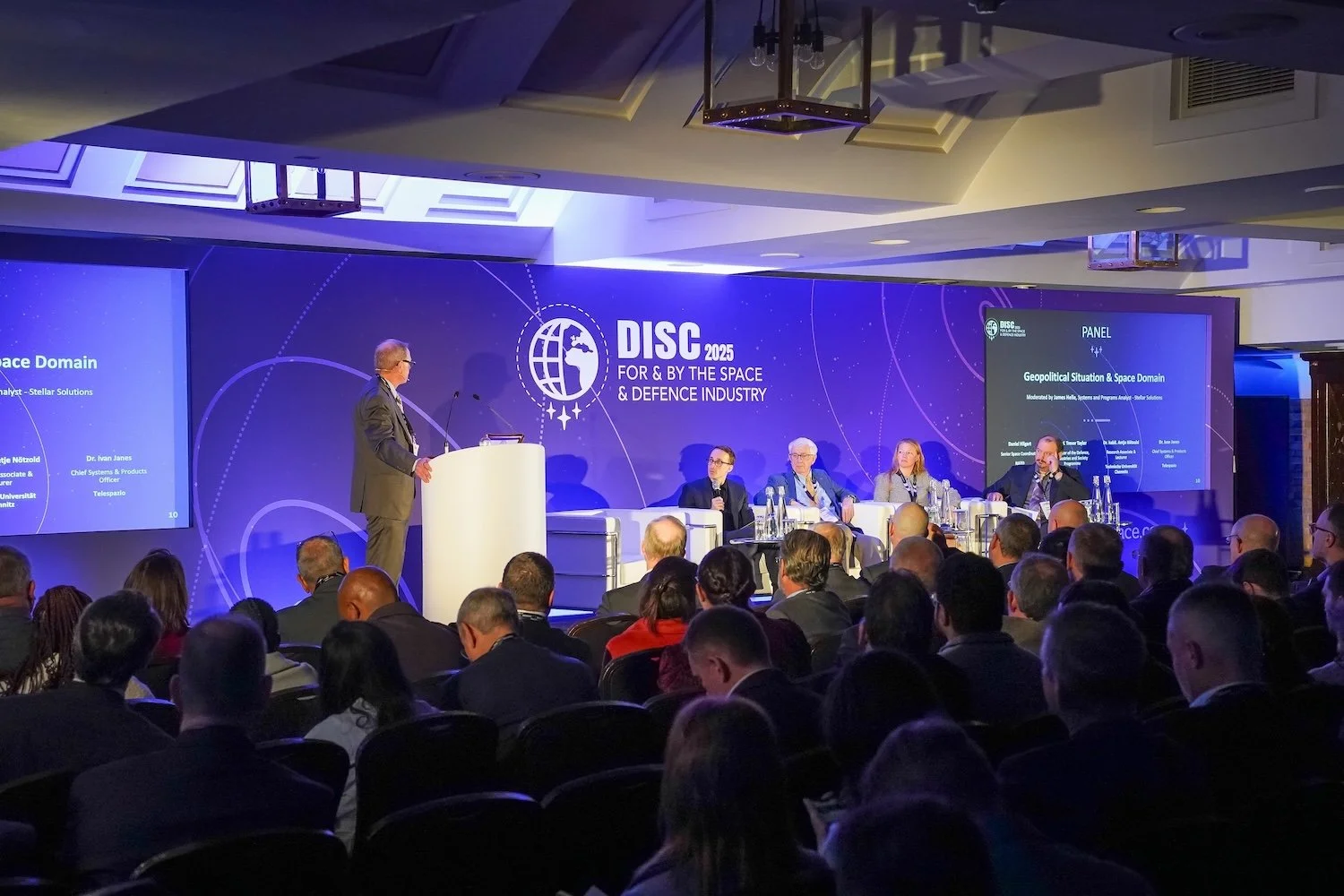
The Specialist Defence & Security Convention UK (SDSC-UK) 2026 felt less like a traditional defence expo and more like a working environment for people who actually operate, build and support capability at the sharp end. Held at the NEC in Birmingham, the two-day convention brought together a deliberately curated mix of government, military, primes and specialist SMEs, all focused on solving real operational problems rather than selling abstract concepts.
SDSC-UK has continued to mature since its earlier incarnations, and this year’s event reflected a clear strategic intent, to prioritise depth over scale, relevance over spectacle, and conversation over noise. The result was a convention that felt purposeful, focused and, crucially, useful.
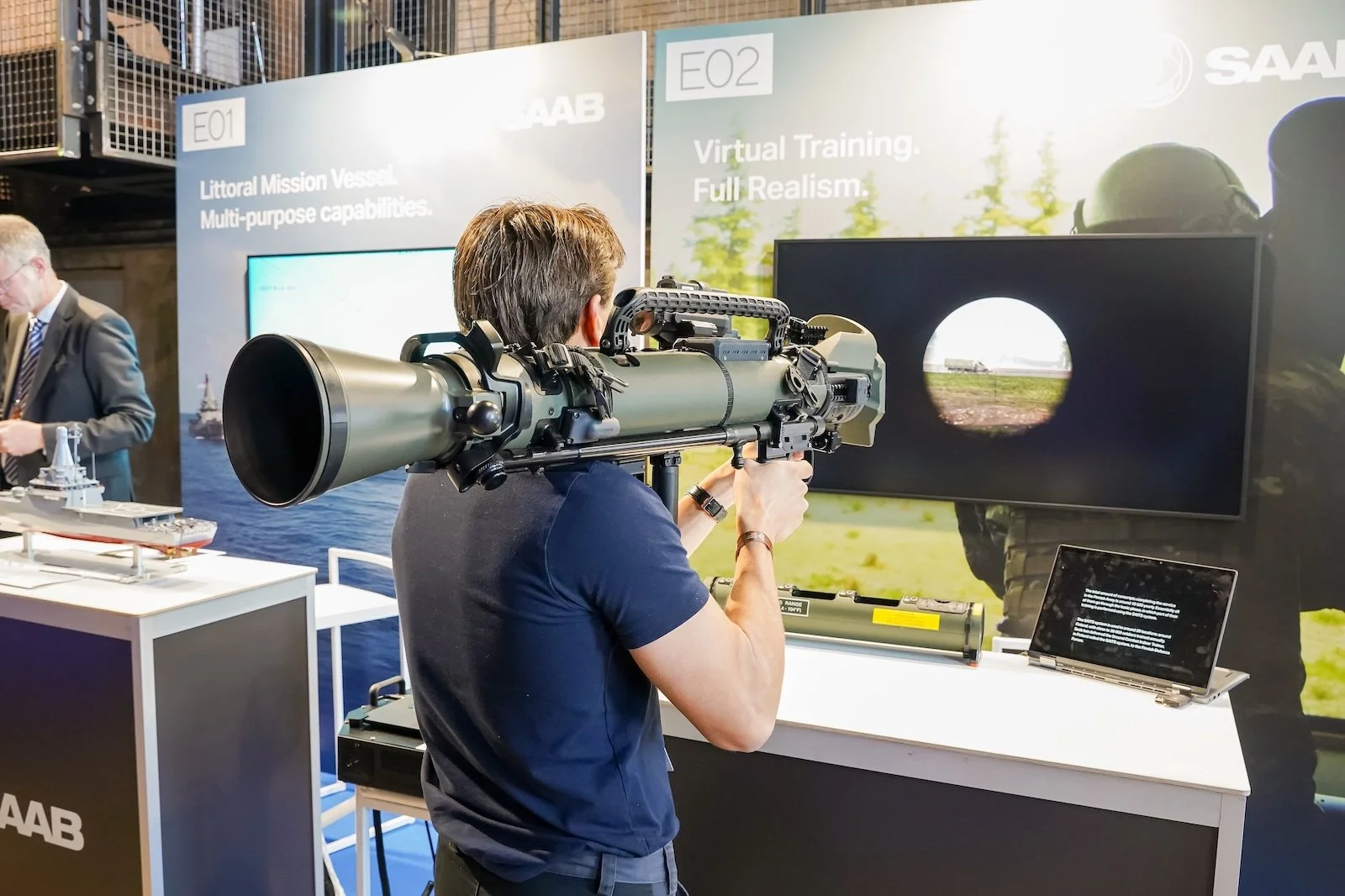
A Room Full of PractitionersWhat stood out immediately was the calibre and intent of the organisations attending. Rather than sprawling halls filled with generic defence marketing, SDSC-UK 2026 was defined by companies and teams operating in niche but mission-critical spaces.
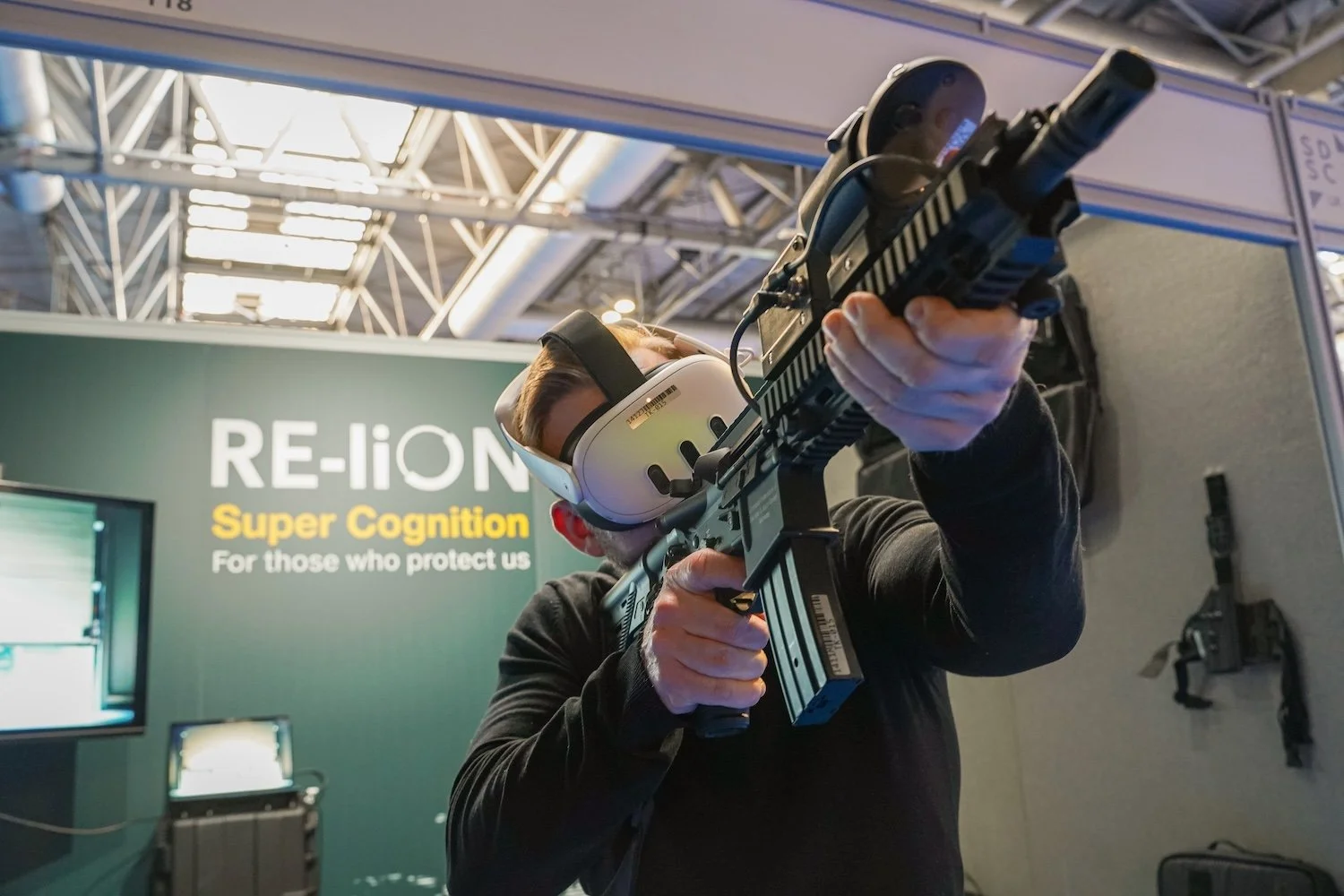
Among those present was Re-Lion, a technology company focused on enhancing human performance and decision-making for defence and law enforcement professionals through immersive and cognitive training solutions. Their work in sensing, data, and immersive environments brings a distinctly European operational perspective to discussions around human performance, situational awareness, and decision-making in high-pressure environments. Their presence underlined SDSC-UK’s growing international relevance, particularly for NATO-aligned interoperability discussions.
UK-based C3IA added weight on the secure communications and cyber resilience side of the equation, with a focus on systems engineering, cyber security, and information assurance for mission-critical environments. Conversations here centred less on future hype and more on how to maintain secure, resilient information and communication systems when infrastructure is stressed, degraded, or deliberately targeted.
1415 Industries drew interest for its focus on counter-drone training and high-fidelity threat emulation, developing synthetic environments that help forces prepare for modern UAV and FPV drone operations. In a defence landscape increasingly shaped by rapidly evolving aerial threats and battlefield adaptation, their work felt timely and grounded in the realities of contemporary conflict.
Elsewhere on the floor, Blakcro represented a newer, more discreet edge of the ecosystem, a controlled-access defence technology venture focused on specialist mobility and operational capability for government and NATO users. Their presence underscored a broader theme running through SDSC-UK this year, that many of tomorrow’s security challenges will emerge beyond traditional defence boundaries, shaped by unconventional threats and technologies that don’t fit neatly into legacy categories.
Established Names, Operational CredibilityAlongside emerging and specialist innovators, established players with decades of defence and security expertise held a strong presence. Roke stood out as a focal point across the event. Renowned for its work in sensing, autonomy, cyber, and complex systems engineering, its stand became a hub for technical dialogue on delivering real advantage in data‑intensive, operationally complex environments.
Rather than showcasing flashy outputs, Roke teams emphasised integration, operational reality, and the trade‑offs inherent in high‑stakes settings. That pragmatic, solution‑focused approach resonated strongly with the SDSC‑UK audience.
Ultra PCS showcased their EAK (Ultra Energy, Automation and Knowledge) solutions, built into a classic Land Rover Defender, emphasising the value of trusted, resilient systems across naval, land and joint operations. Their presence highlighted how decades of legacy engineering expertise now intersect with modern digital capabilities, particularly in areas where safety‑critical and mission‑critical systems must operate seamlessly together.
Meanwhile, MyDefence brought a distinctly human‑focused perspective to the show. By highlighting how their counter‑drone systems protect people, critical infrastructure and operational teams in high‑stress environments, they reminded audiences that capability isn’t just about hardware and software, it’s about shielding people who are operating under sustained pressure. In a year when resilience was a recurring theme, that emphasis felt particularly relevant.


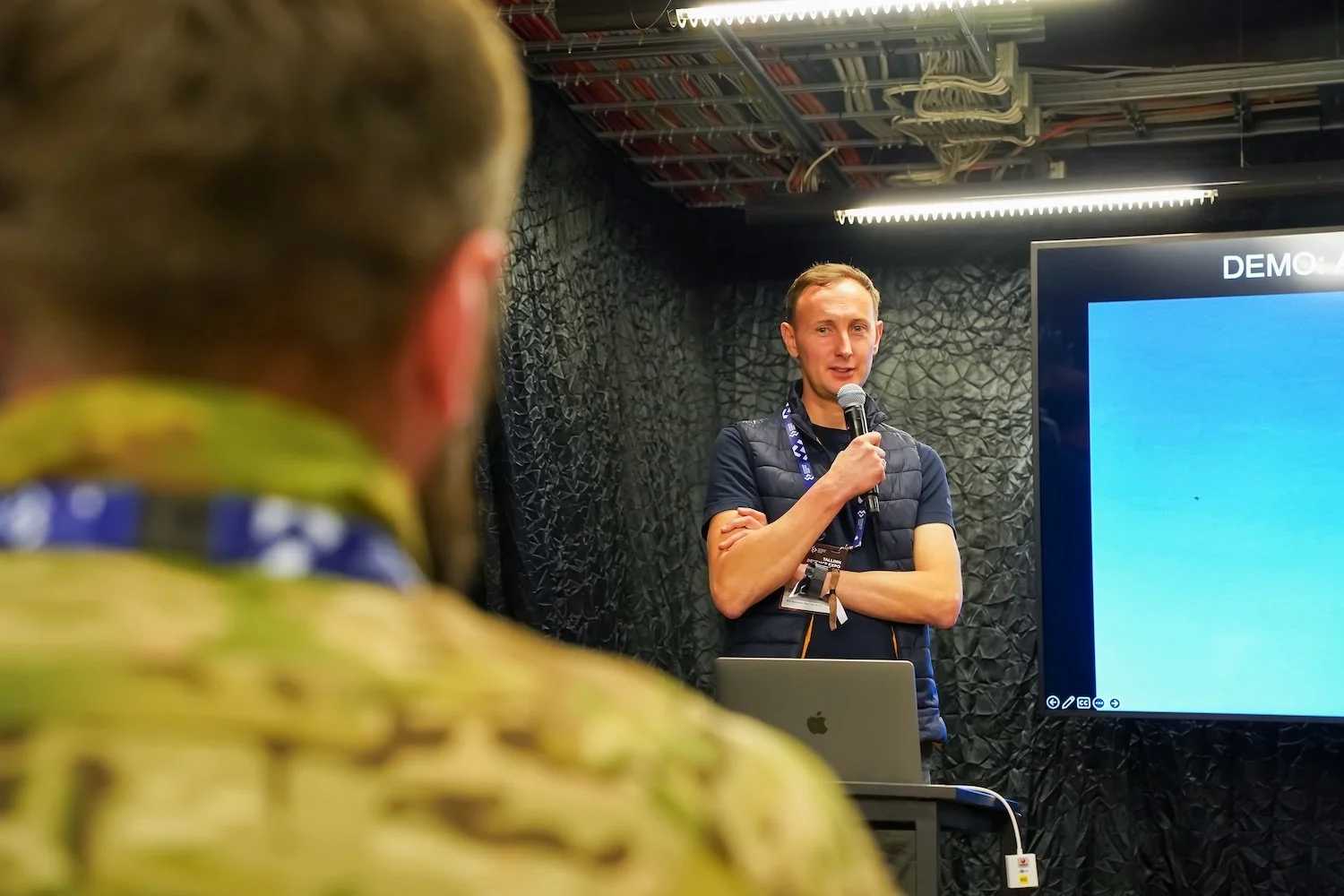
Not Just Exhibiting, EngagingWhat made SDSC-UK 2026 different wasn’t just who attended, but how they engaged. This wasn’t a show dominated by passive stand-hopping. Many of the most valuable moments happened in informal clusters, impromptu briefings and technical deep dives at the edge of stands or over coffee.
SMEs were able to speak directly with end users, procurement teams and primes without layers of gatekeeping. Equally, larger organisations seemed genuinely interested in understanding where specialist partners could plug into existing or emerging capability gaps.
The MOD Special Projects Industry Day added further weight to this dynamic, creating space for more candid discussions around requirements, timelines and the realities of getting innovation into service. While specifics were understandably guarded, the tone suggested a growing openness to alternative delivery models and closer industry collaboration.
Themes That Reflected the TimesAcross conversations and sessions, several themes consistently surfaced. Interoperability, particularly across allied forces and mixed legacy-modern systems, was a recurring concern. So too was resilience, not just in cyber terms, but across supply chains, people, data and physical systems.
There was also a noticeable shift away from over-promising future tech narratives. AI, autonomy and digital systems were discussed, but largely in terms of integration challenges, trust, and operational constraints, rather than silver-bullet solutions.
This pragmatism suited SDSC-UK’s audience. Many attendees were clearly less interested in what might be possible in ten years, and more focused on what could realistically be deployed, supported and sustained in the near term.


Context Beyond the HallAs with many defence events, SDSC-UK 2026 took place against a wider social and political backdrop. Protests outside the NEC served as a visible reminder that defence and security activity does not exist in isolation. While largely separate from proceedings inside, they underscored the ethical, societal and strategic scrutiny facing the sector.
Inside the halls, however, the prevailing mood was one of seriousness and responsibility. Discussions repeatedly returned to proportionality, accountability and the need to balance innovation with restraint.
Why SDSC-UK MattersBy the end of the second day, SDSC-UK 2026 had clearly cemented its role as a convening space for serious defence and security work. It may not match the scale of the largest international shows, but that is precisely its strength.
For organisations like Re-Lion, C3IA, 1415 Industries, Blakcro, Roke, My Defence and Ultra PCS, SDSC-UK offered something increasingly rare, a focused environment where technical credibility, operational relevance and honest conversation mattered more than spectacle.
For Millilux.io readers tracking how defence capability is actually evolving, SDSC-UK 2026 provided a grounded snapshot of an industry adapting to complexity, constraint and constant change, with the right people very much in the room.
You Might Also Like: