
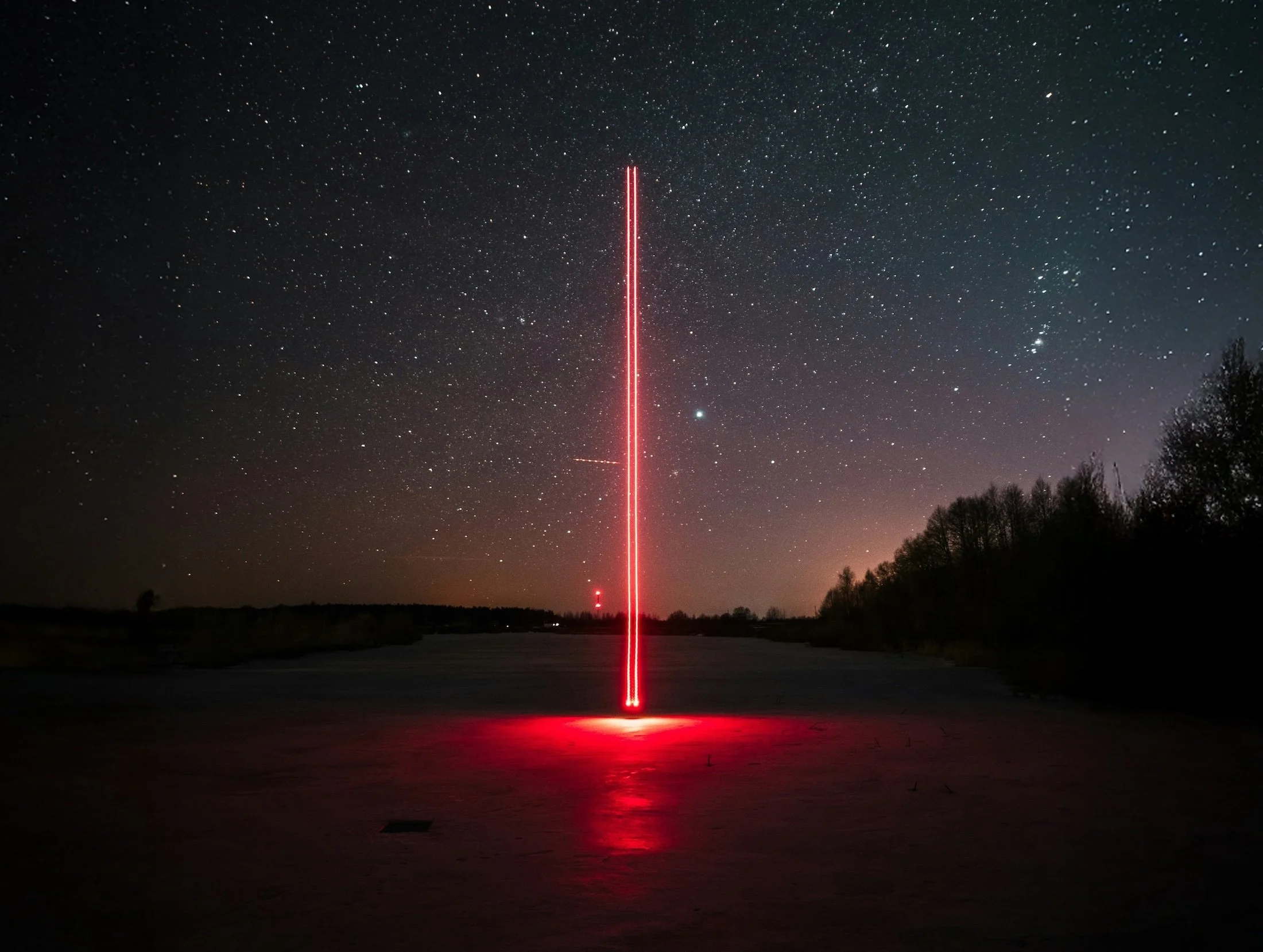

What Drone Swarms Might Look Like In The Maritime Environment
Drone swarms are shifting from experimental defence projects into something closer to operational reality, and the maritime domain is where their impact may be most disruptive.
From contested choke points like the Strait of Hormuz to the open waters of the Indo-Pacific, naval planners are increasingly treating swarming systems as a core feature of future conflict rather than a niche capability.
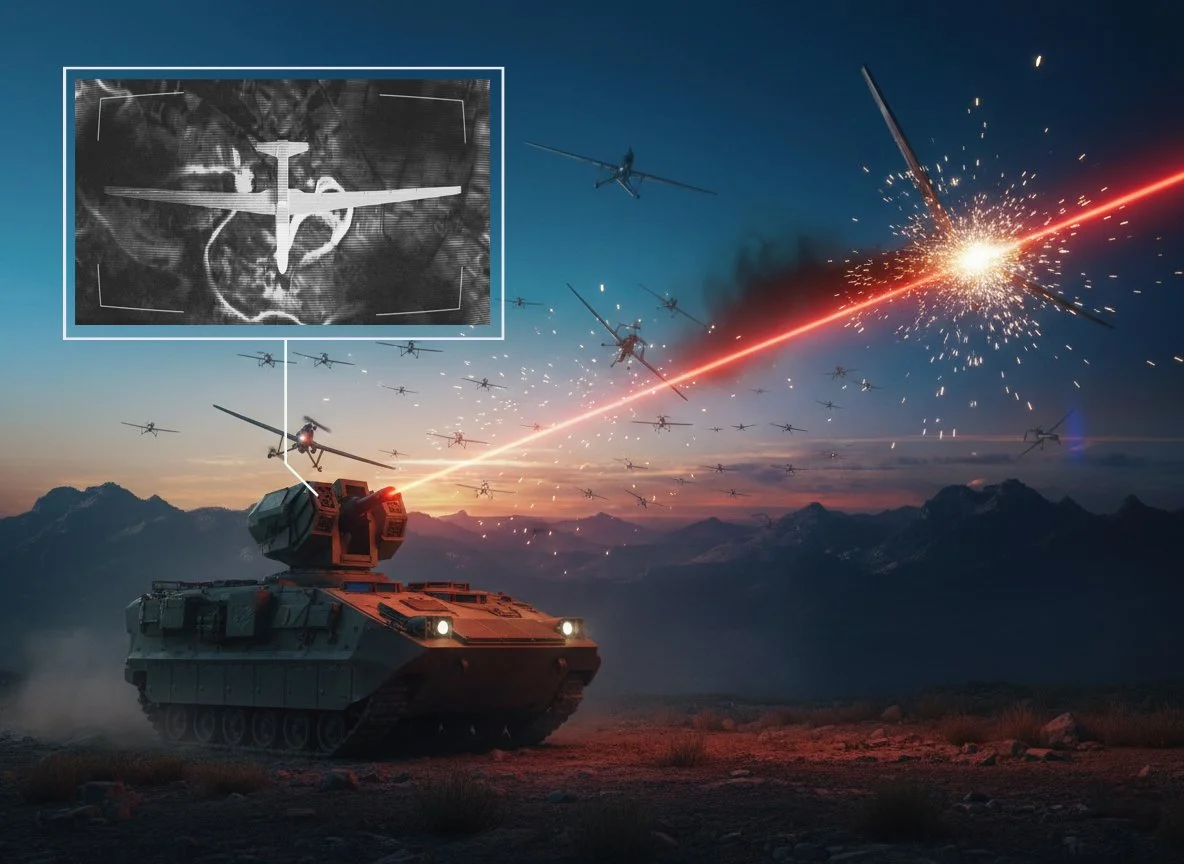
From Theory to Theatre:
For decades, directed energy weapons existed largely in theory and fiction, their promise confined to research papers and concept studies. Today, lasers and high-power microwaves are moving into operational service across the UK, the US, and allied forces, reshaping air defence, counter-drone strategies, and the economics of modern warfare.

The Smart Battlespace
Cities have always been the most demanding battlespace. Dense, crowded, and constantly shifting, urban terrain compresses time, space, and decision-making in ways few environments can. Yet the tools used to understand it have barely evolved beyond maps, imagery, and reports. A new, largely unseen layer is now taking shape, that merges digital intelligence with the physical city itself: Augmented reality (AR).