The Undersea Front
Why NATO Must Protect and Deter Attacks on Undersea CablesMost of the world’s internet traffic runs under the sea. Submarine fibre-optic cables carry the vast majority of international data, connecting markets, banks, cloud platforms and military networks. That physical fact is an obvious strength for global connectivity and a glaring strategic weakness if anything deliberately severs those links (1).
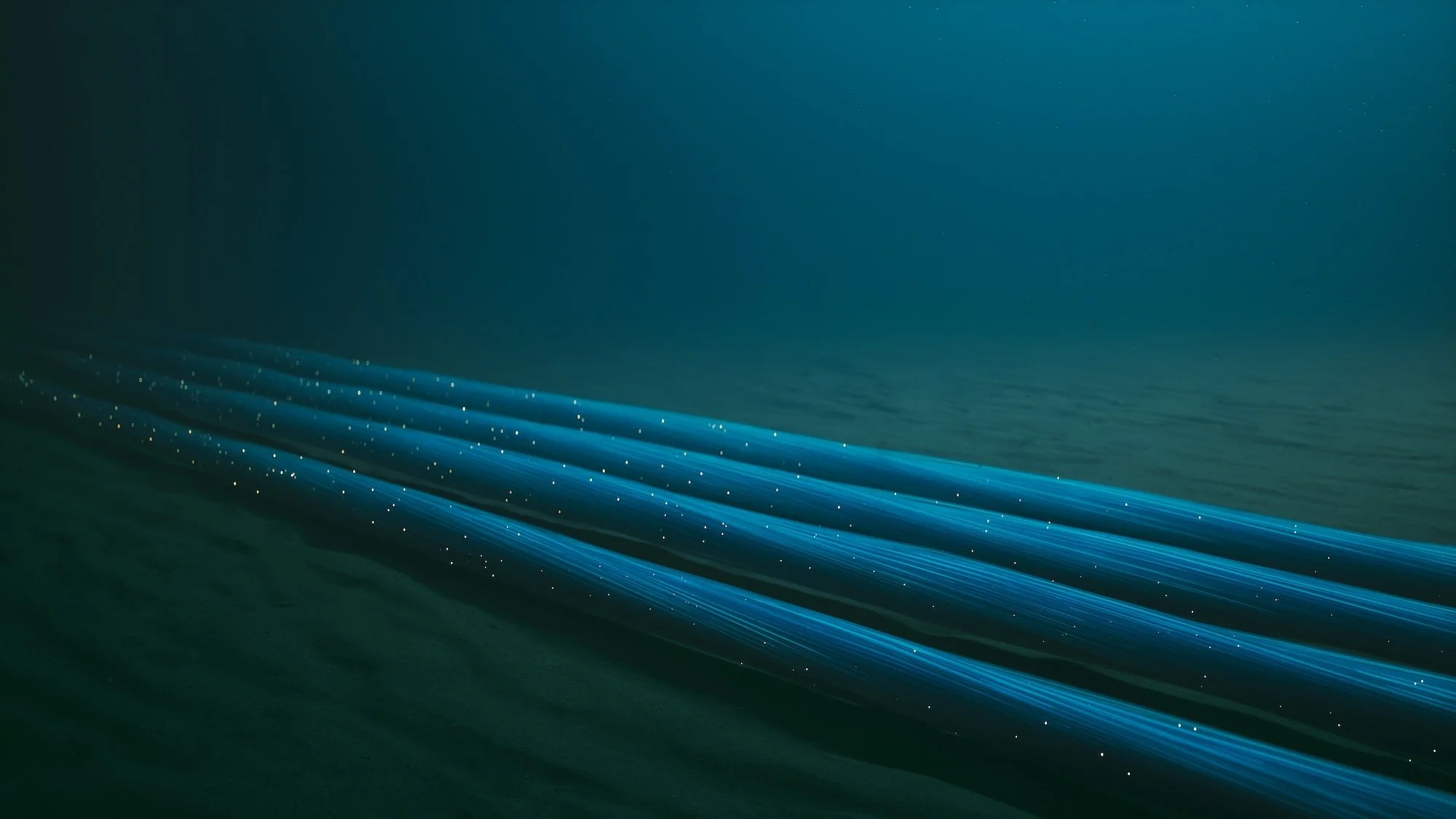
From Abstract Risk to Real-World DisruptionRecent incidents in Northern Europe made the risk painfully concrete. In late 2024 and early 2025 a string of subsea cable faults and suspicious cuts in the Baltic region disrupted services and prompted urgent investigations, sparking concern across NATO capitals about the possibility of hybrid sabotage at scale (2)(3). Responses have included naval taskings, closer industry-alliance cooperation and a growing emphasis on undersea situational awareness, measures that should have been taken years earlier.
Why Subsea Cables Matter to NATOWhy this matters for NATO is simple. A well-timed, targeted strike on undersea cables can degrade communications, hamper military coordination, crash financial systems and impose economic costs far out of proportion to the act itself. The damage is not just technical; it is strategic, asymmetric and politically corrosive. The EU and security think tanks have repeatedly warned that subsea infrastructure is exposed, that many cables are shallow at landing zones, and that state and non-state actors can exploit gaps in surveillance and legal frameworks to create a persistent vulnerability (4)(5).
A Practical Framework: Deterrence, Protection and ResilienceSo what should NATO do, practically and at scale? The answer sits in three linked lines of effort: deterrence, protection and resilience.
Deterrence: Making Sabotage Politically and Operationally CostlyFirst, deterrence. Deterrence in the undersea domain is not about nuclear missiles or tanks. It is about making sabotage non-viable politically, operationally, and economically. NATO should publicly and repeatedly attribute attacks where credible evidence exists, and be prepared to impose costs through sanctions, asset freezes and targeted counter-measures. Attribution is hard; it is also a prerequisite for deterrence. Strengthened intelligence-sharing between allies, joint forensic capacity and prearranged legal pathways to act on evidence are all essential to create a credible deterrent posture (6).
Protection: Monitoring and Defending the Undersea DomainSecond, physical protection and monitoring. Current technical options range from conventional to innovative. Burial, rock placement and route re-routing reduce accidental damage from anchors and trawlers, while sensorised monitoring and uncrewed surface and subsurface vehicles can provide 24/7 surveillance of high-value corridors (5)(7). NATO’s recent moves to coordinate industry and military actors within a Critical Undersea Infrastructure Network are a positive step, these partnerships buy the alliance technical reach and legal cover to operate in ways pure industry or pure defence cannot alone (8).
Resilience: Designing for Failure, Not PerfectionThird, resilience and redundancy. We should assume that some attacks will get through. The only realistic long-term strategy is to ensure rapid repair, traffic rerouting and layered redundancy so civilian and military traffic can be maintained. That means pre-positioning repair ships, stockpiling spares, and ensuring commercial operators and defence planners run realistic joint exercises to practise surge repairs and alternative routing under political pressure (7)(4).
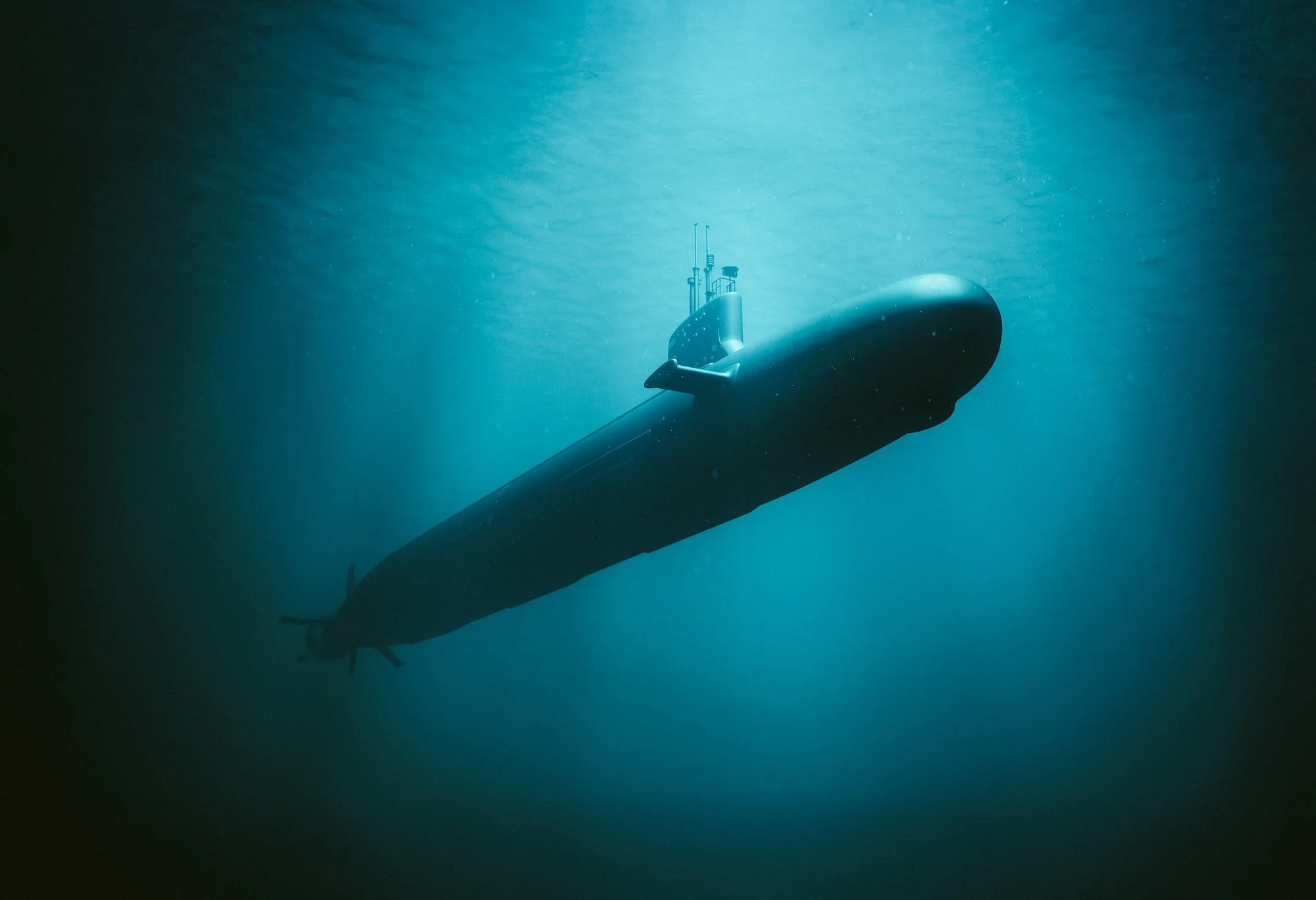
The Political and Commercial RealityNone of this is cheap, and there are political hurdles. Cable routes cross many jurisdictions, and parts of the global system remain commercial rather than state controlled. NATO must therefore combine carrots and sticks, invest in partner nation capacity, fund shared monitoring nodes, and offer technical assistance to build resilient landing zones across allies and key partners. The alliance’s coordination role should focus on standards, intelligence sharing, rapid forensic analysis and interoperable response plans, rather than taking ownership of commercial assets (8).
Law, Messaging and Escalation ControlFinally, strategic communications and legal preparedness matter as much as ships or sensors. Clear communications reduce panic and misperception in the wake of disruption; robust legal frameworks clarify what constitutes sabotage and who prosecutes it. NATO should work with the EU, the UK and commercial operators to harmonise legal standards and to create agreed escalation ladders for different classes of incidents (6)(3).
From Vulnerability to Deterrence by DesignThe technical fixes are tractable: better burial practices, more distributed routing, persistent sensor networks, unmanned monitoring, and dedicated repair capability. The strategic fixes are political: investment, alliance cooperation and a willingness to attribute and impose consequences when malicious action is uncovered. Together they form a credible deterrent and a practical way to protect the digital plumbing that modern societies, and modern militaries, depend on.
Conclusion: Securing the Undersea CommonsThe seas beyond our sight are full of cables. For now, they are mostly invisible and mostly well-managed. But that cannot be relied upon forever. NATO’s role must evolve from occasional rescue missions and piecemeal taskings to an integrated posture that deters sabotage, protects critical routes, and hardens the network through redundancy and rapid recovery. If the alliance gets this right, it will remove a cheap and tempting tool from adversaries’ grey-zone toolkits and make the undersea commons a less hospitable place for sabotage.
Also By Us:





References:
(1) International Telecommunication Union. (2024). Submarine cable resilience. https://www.itu.int/en/mediacentre/backgrounders/Pages/submarine-cable-resilience.aspx
(2) The Guardian. (5 March 2025). ‘‘Shadow fleets’ and subaquatic sabotage: are Europe’s undersea internet cables under attack?’’ https://www.theguardian.com/world/ng-interactive/2025/mar/05/shadow-fleets-subaquatic-sabotage-europe-undersea-internet-cables-under-attack
(3) Carnegie Endowment for International Peace. (16 Dec 2024). Securing Europe’s subsea data cables. https://carnegieendowment.org/research/2024/12/securing-europes-subsea-data-cables
(4) European Commission, Joint Research Centre. (2025). Subsea cables: how vulnerable are they and can we protect them? https://joint-research-centre.ec.europa.eu/jrc-explains/subsea-cables-how-vulnerable-are-they-and-can-we-protect-them_en
(5) European Commission. (2022). Security threats to undersea communications cables and infrastructure – in-depth analysis. https://www.europarl.europa.eu/RegData/etudes/IDAN/2022/702557/EXPO_IDA%282022%29702557_EN.pdf
(6) Congressional Research Service. (2022). Protection of Undersea Telecommunication Cables: Issues for Congress. https://crsreports.congress.gov/product/pdf/R/R47648
(7) JSIS, University of Washington. (9 July 2025). Baltic Sea undersea cable security. https://jsis.washington.edu/news/baltic-sea-undersea-cable-security/
(8) NATO. (27 May 2025). NATO strengthens cooperation with industry to protect critical undersea infrastructure. https://www.nato.int/en/news-and-events/articles/news/2025/05/26/nato-strengthens-cooperation-with-industry-to-protect-critical-undersea-infrastructure