Space-Comm Expo Europe, London, Feb 2026
In early March 2026 we attended Space-Comm Expo Europe at the ExCeL London, one of the largest gatherings for the European space sector.
Over two days the venue brought together thousands of engineers, founders, policymakers, defence professionals, and investors to explore how Europe can strengthen its position in the rapidly expanding global space economy. Walking through the exhibition halls, it was clear that the industry is entering a new phase. What once felt like a niche aerospace conference now feels much more like a strategic meeting point for a full ecosystem spanning satellites, launch providers, robotics, data analytics, defence technology, and venture investment.
© Images by Hiatus.Digital
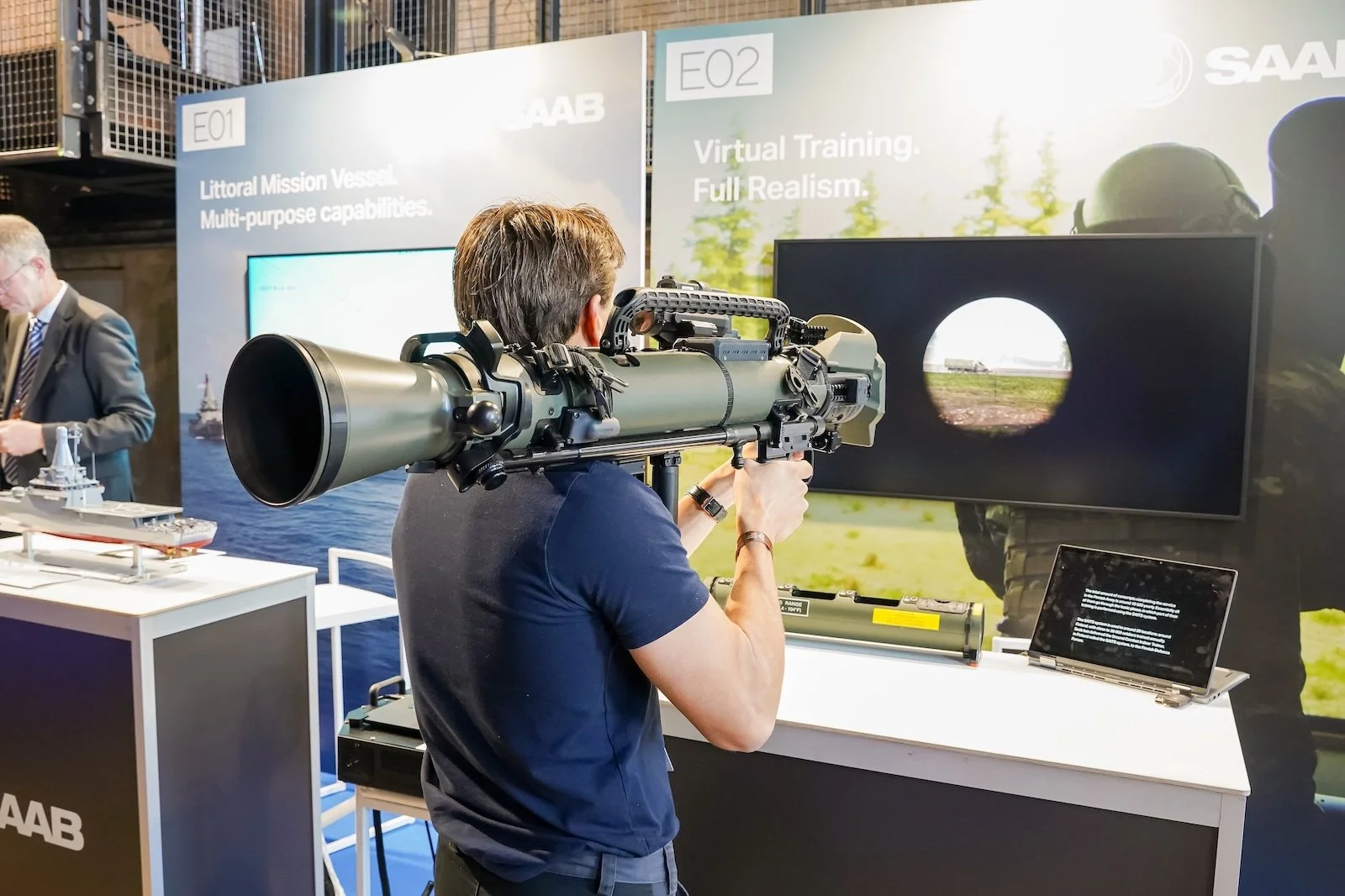
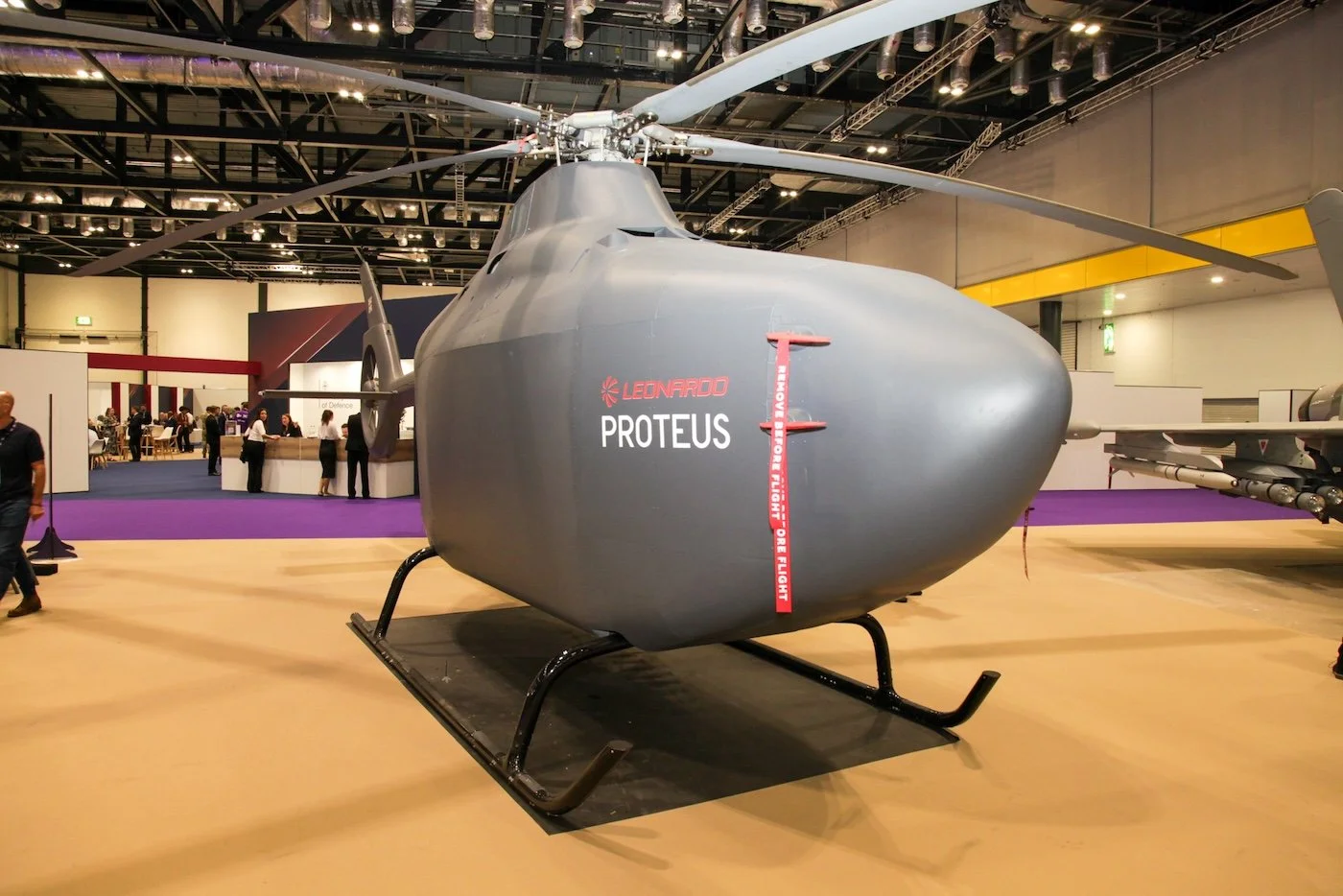
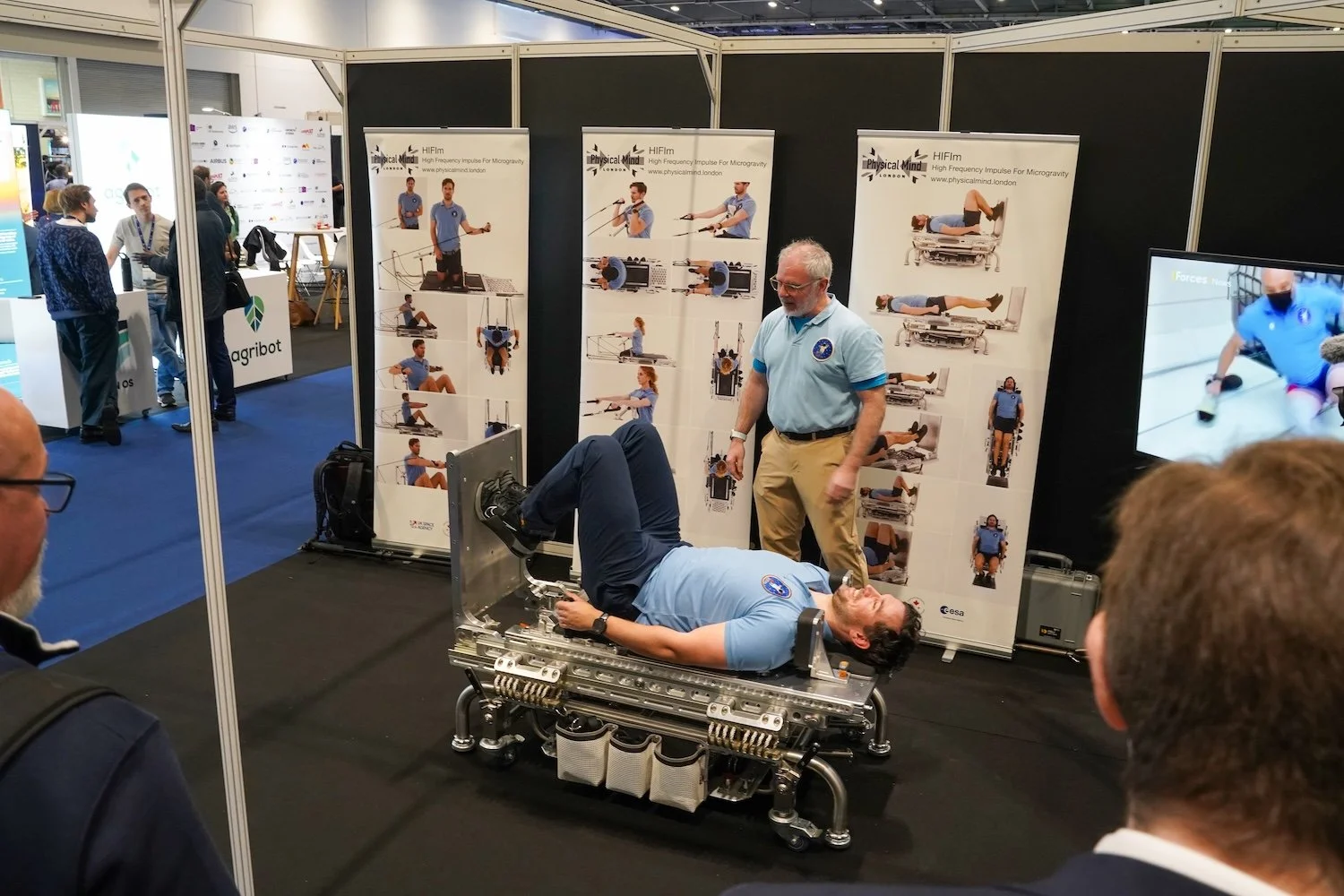
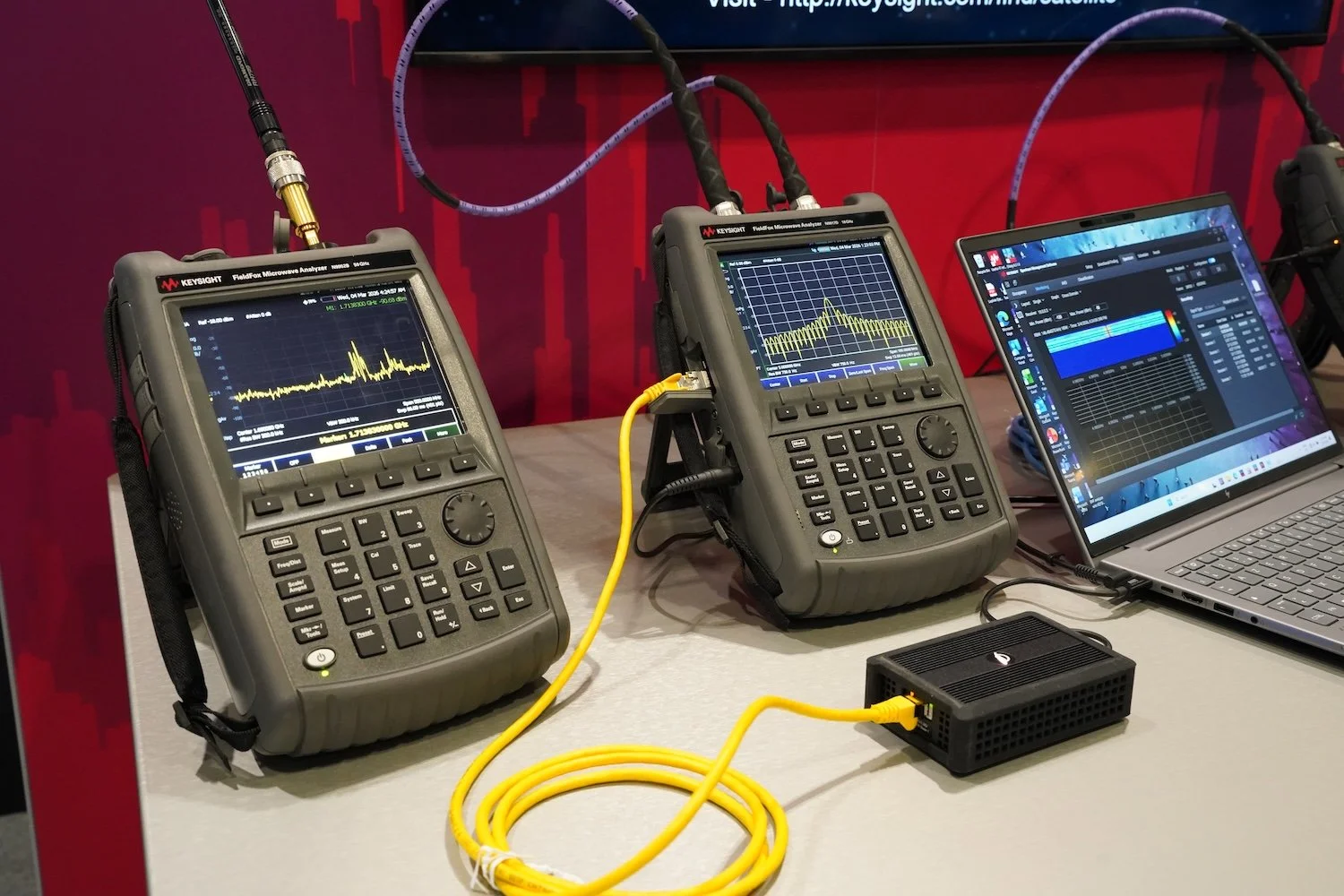
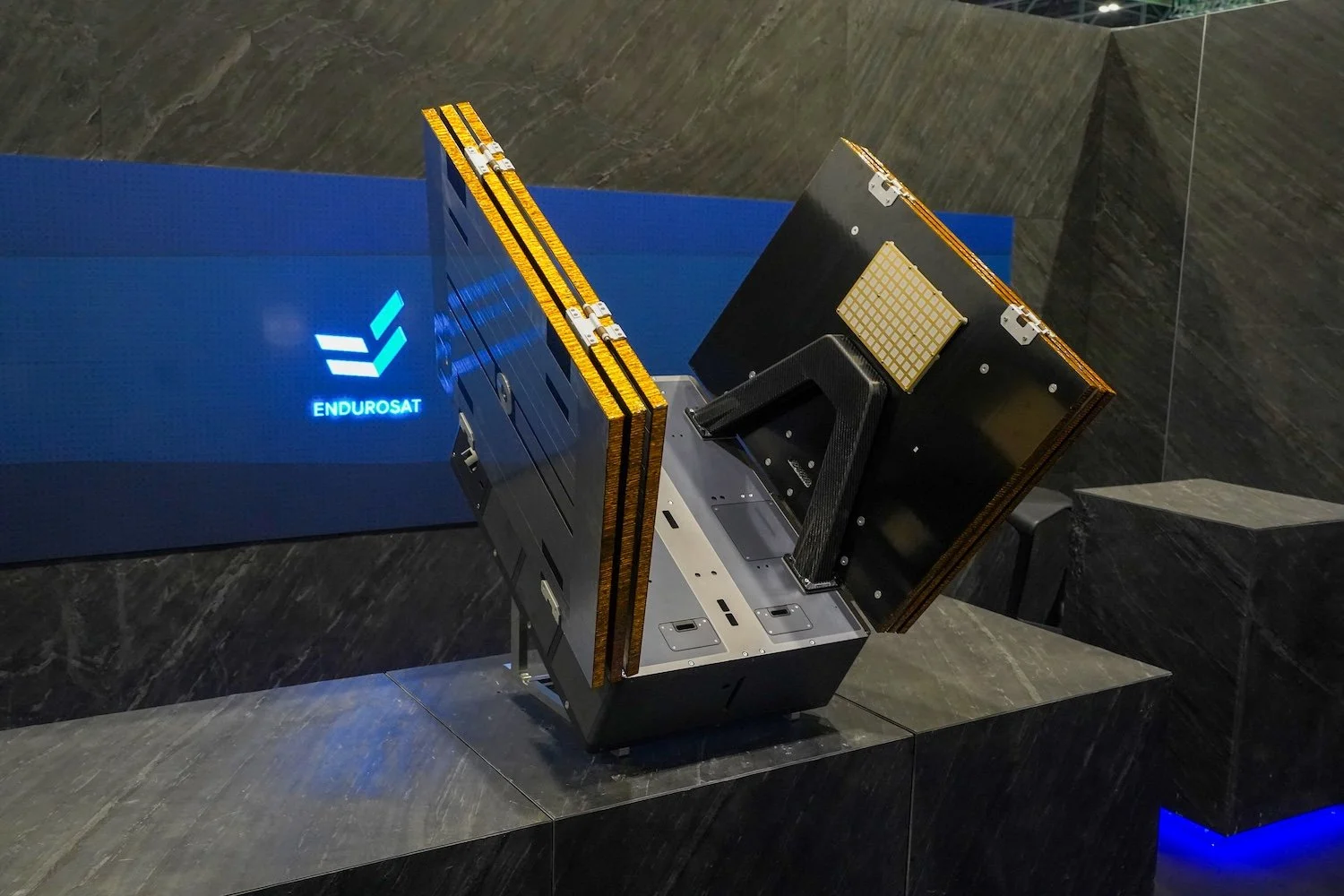
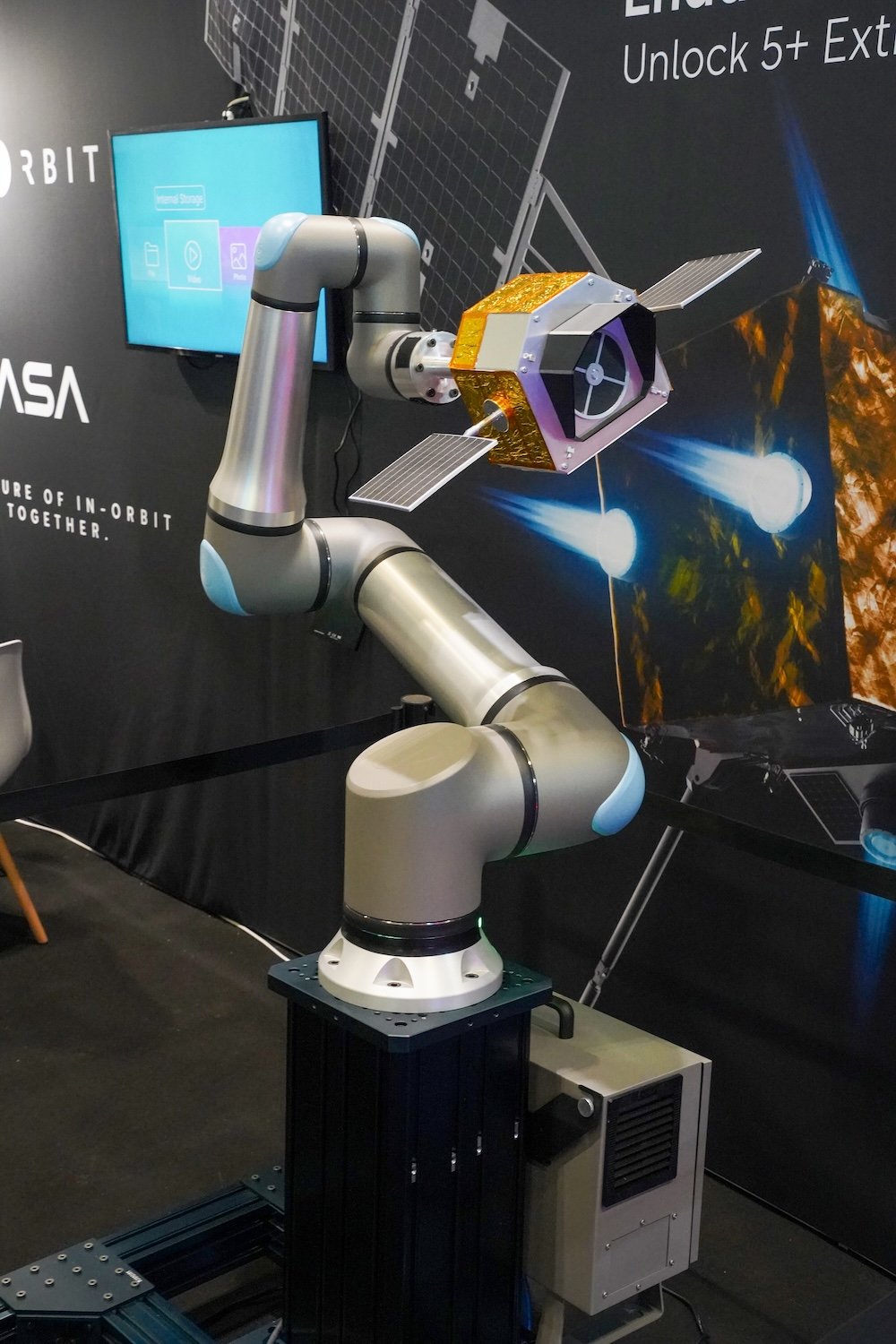
The exhibition floor reflected the breadth and maturity of the sector. Established aerospace companies exhibited alongside early-stage start-ups building satellite platforms, ground-station infrastructure, and software tools for analysing Earth-observation data. Several companies were demonstrating technologies designed to support satellite constellations and space-based communications networks, which are becoming increasingly critical for everything from environmental monitoring to defence operations. There was also a strong presence from firms working with satellite data, highlighting how Earth-observation imagery and telemetry are being turned into commercial products and decision-support tools for industries such as agriculture, logistics, and climate analysis.
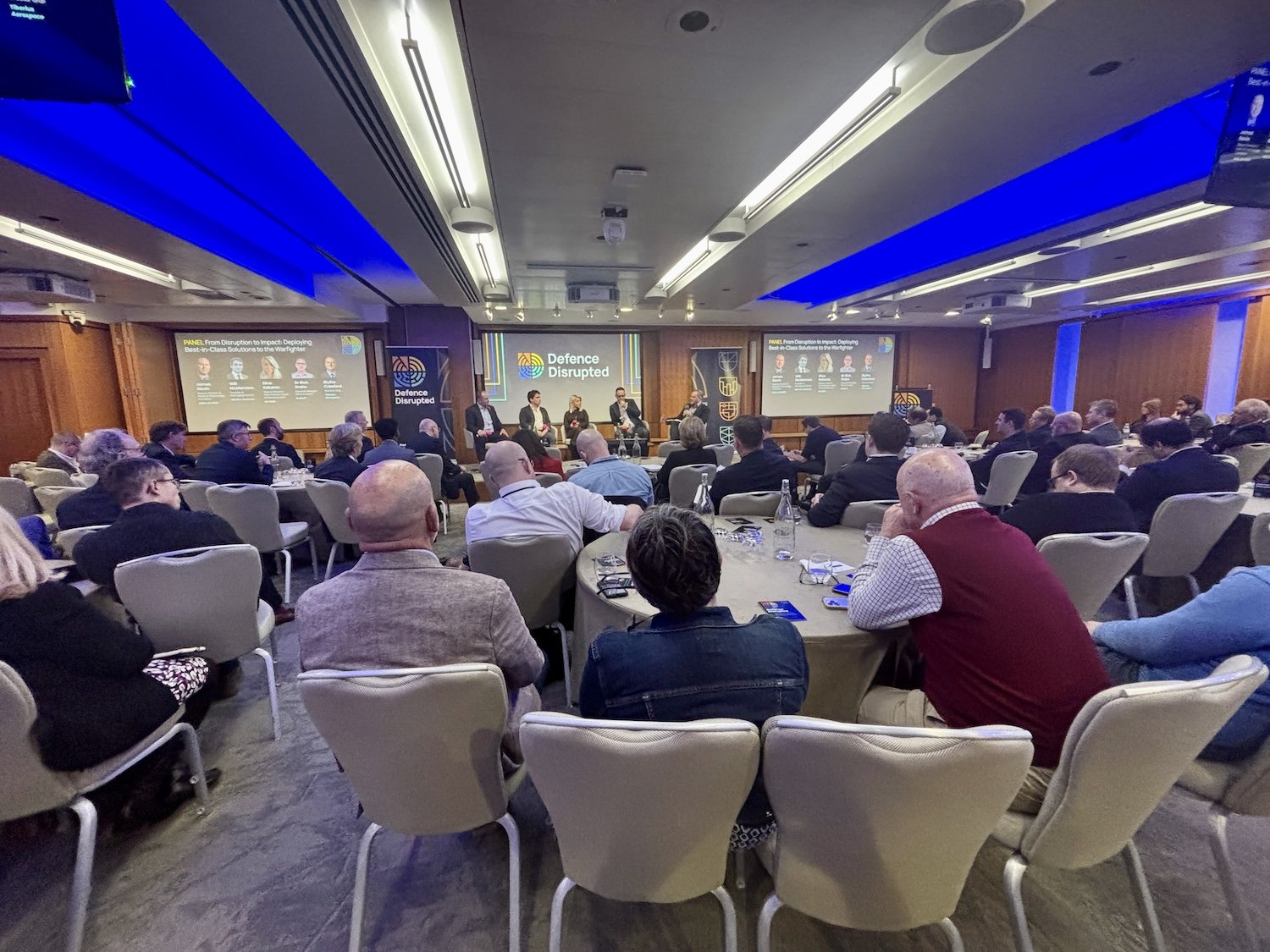
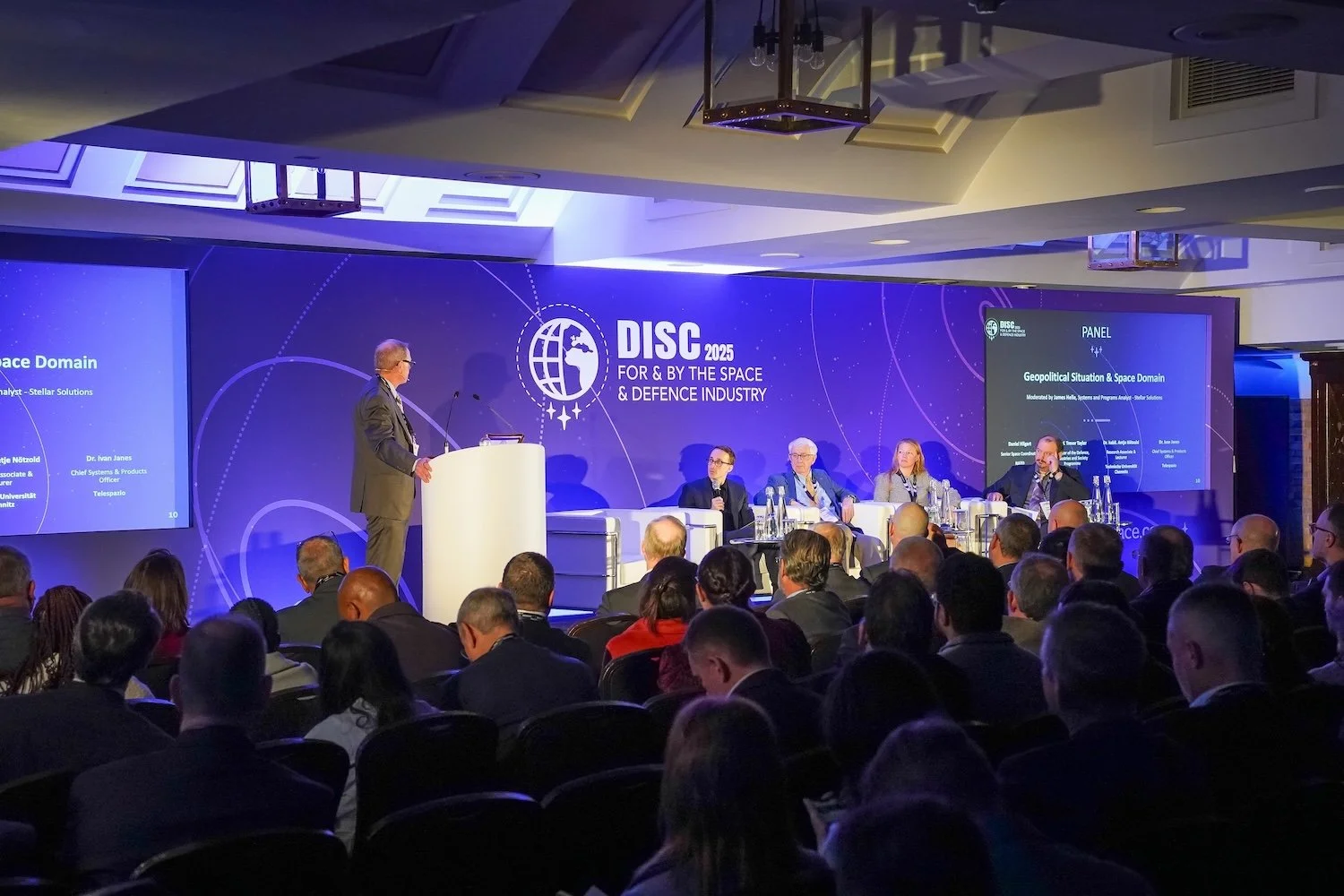
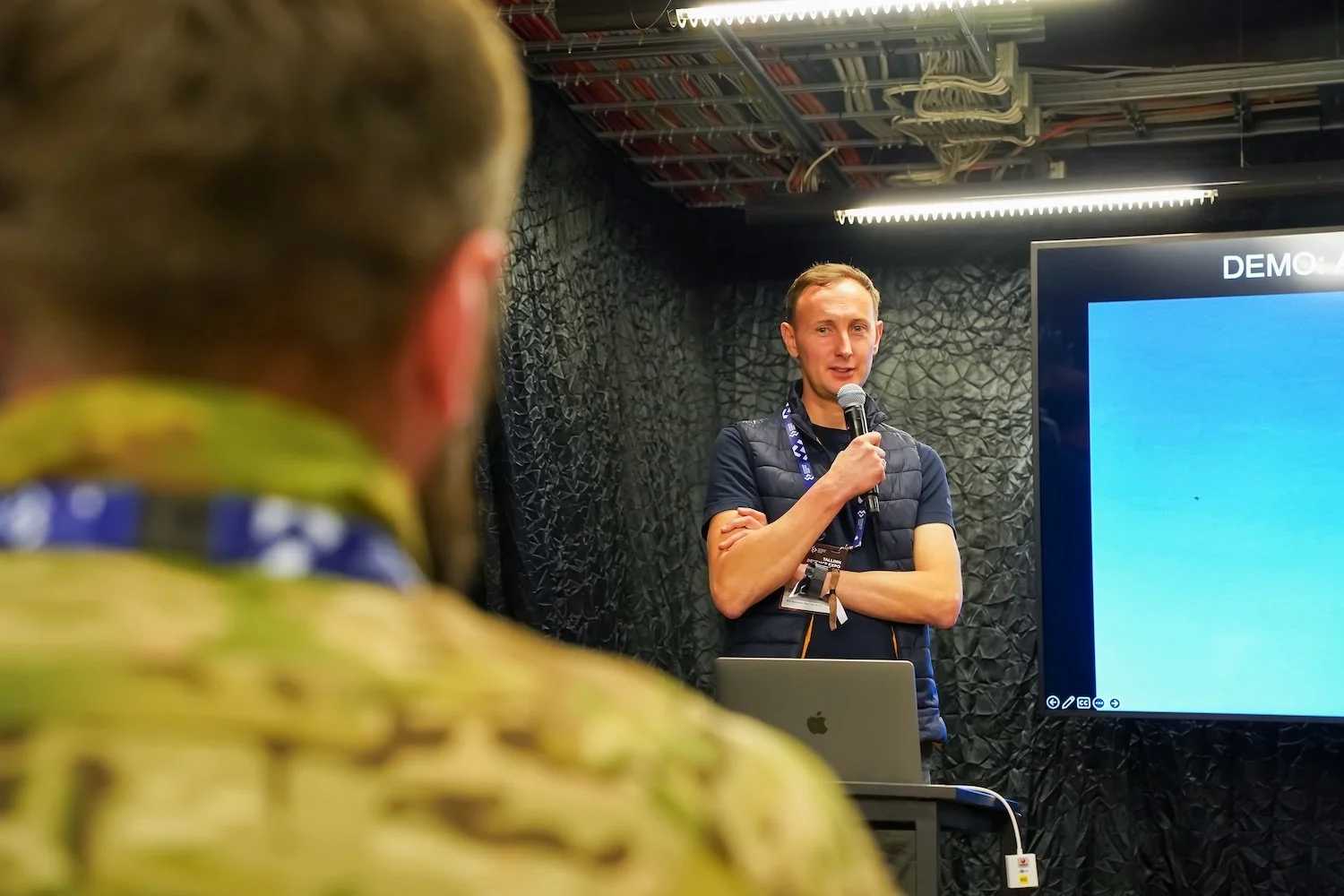
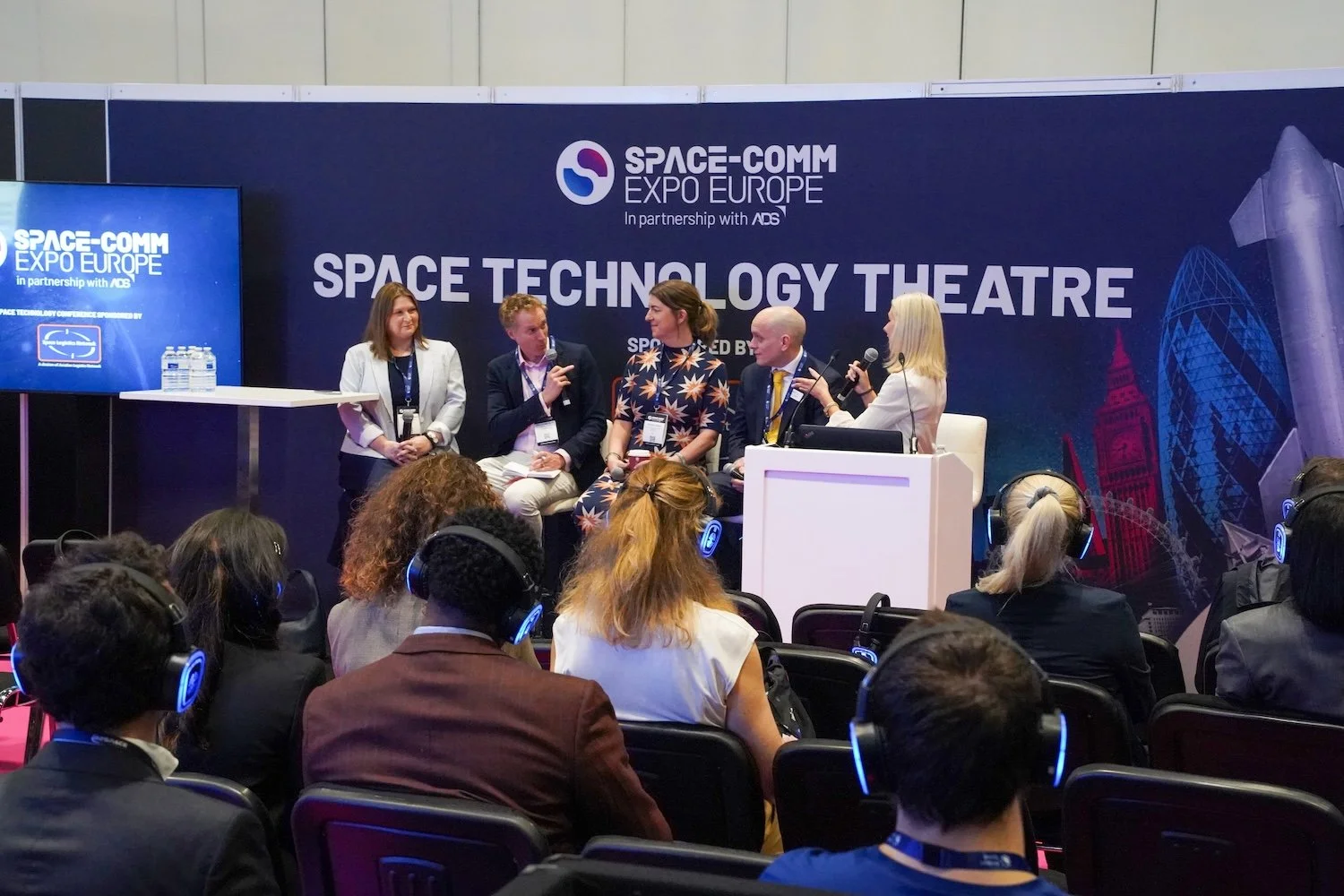
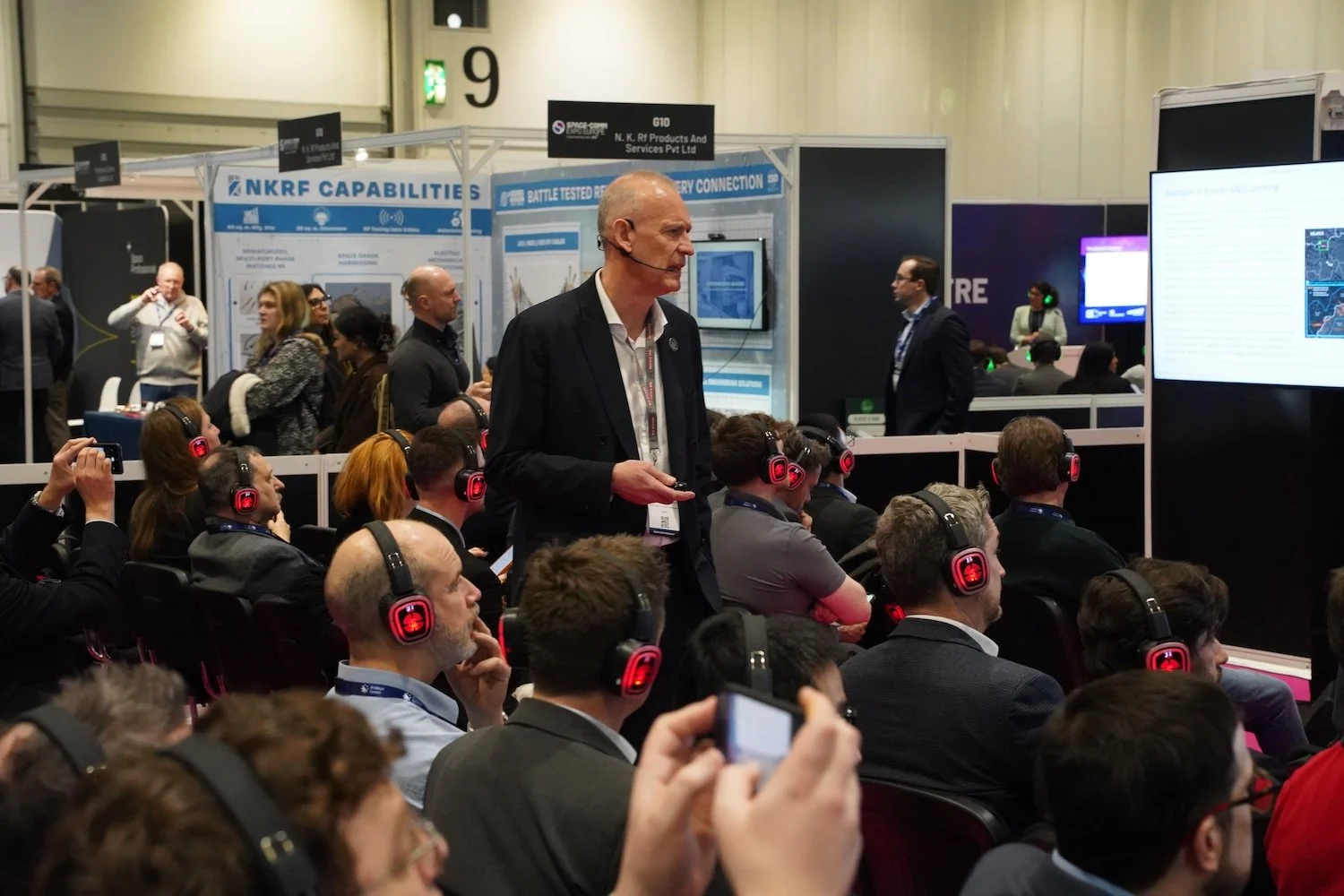
Alongside the exhibition, the conference programme provided some of the most engaging discussions of the event. The sessions brought together leaders from government, academia, and commercial space ventures to discuss the strategic direction of the industry. A recurring theme across many panels was how the space sector is transitioning from experimental innovation toward scalable commercialisation. Several speakers emphasised that the next decade will be defined not only by technological breakthroughs but also by the ability of companies and governments to develop sustainable business models around space infrastructure.
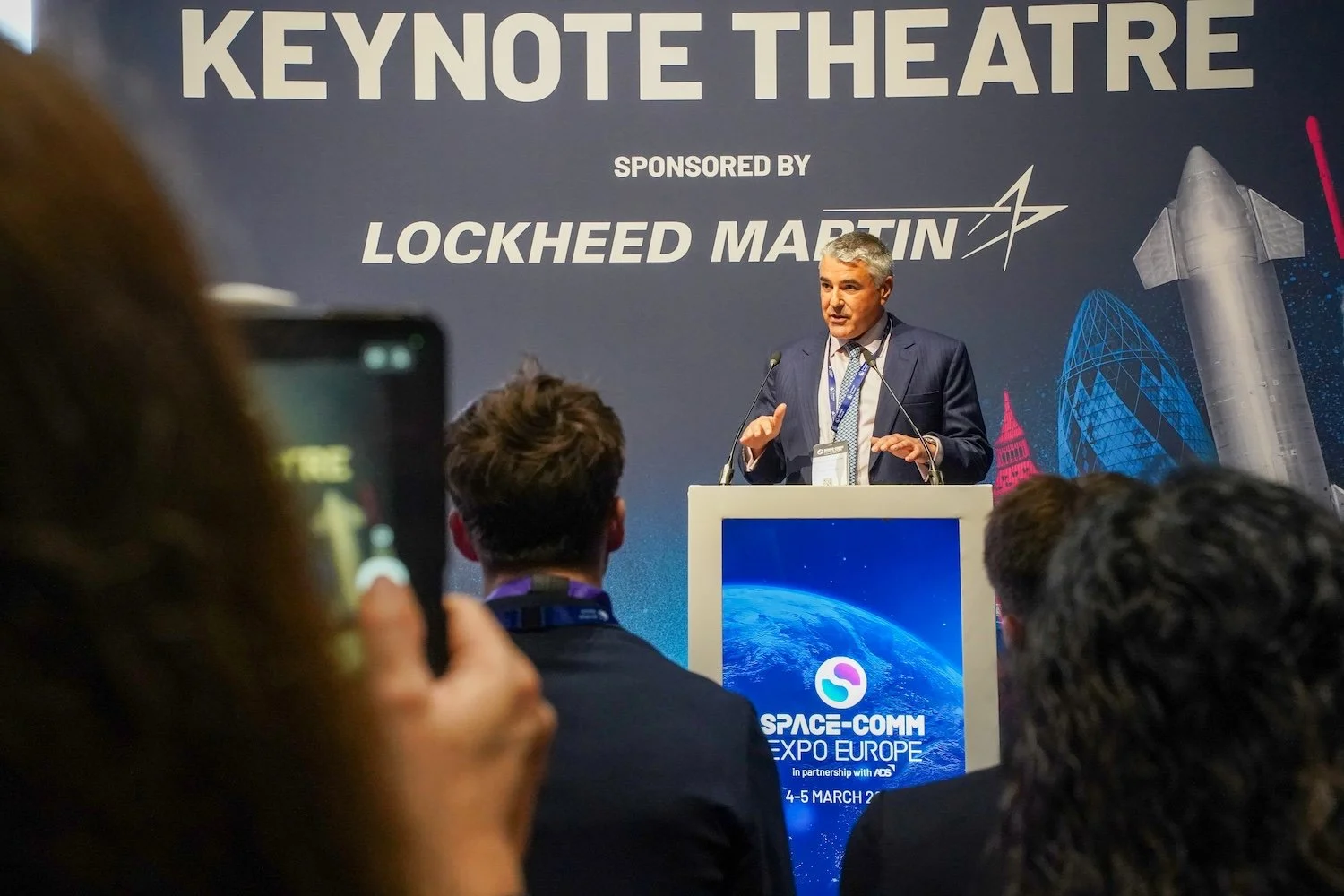
It was particularly interesting to hear from experts and leaders such as Dr Alice Bunn OBE of UKSpace, who spoke about the importance of strengthening collaboration across the UK’s space ecosystem. Her remarks highlighted the need for closer coordination between industry, academia, and government if Europe is to compete with the scale of investment seen elsewhere. She also emphasised the role of international partnerships and resilient supply chains as the sector continues to expand.
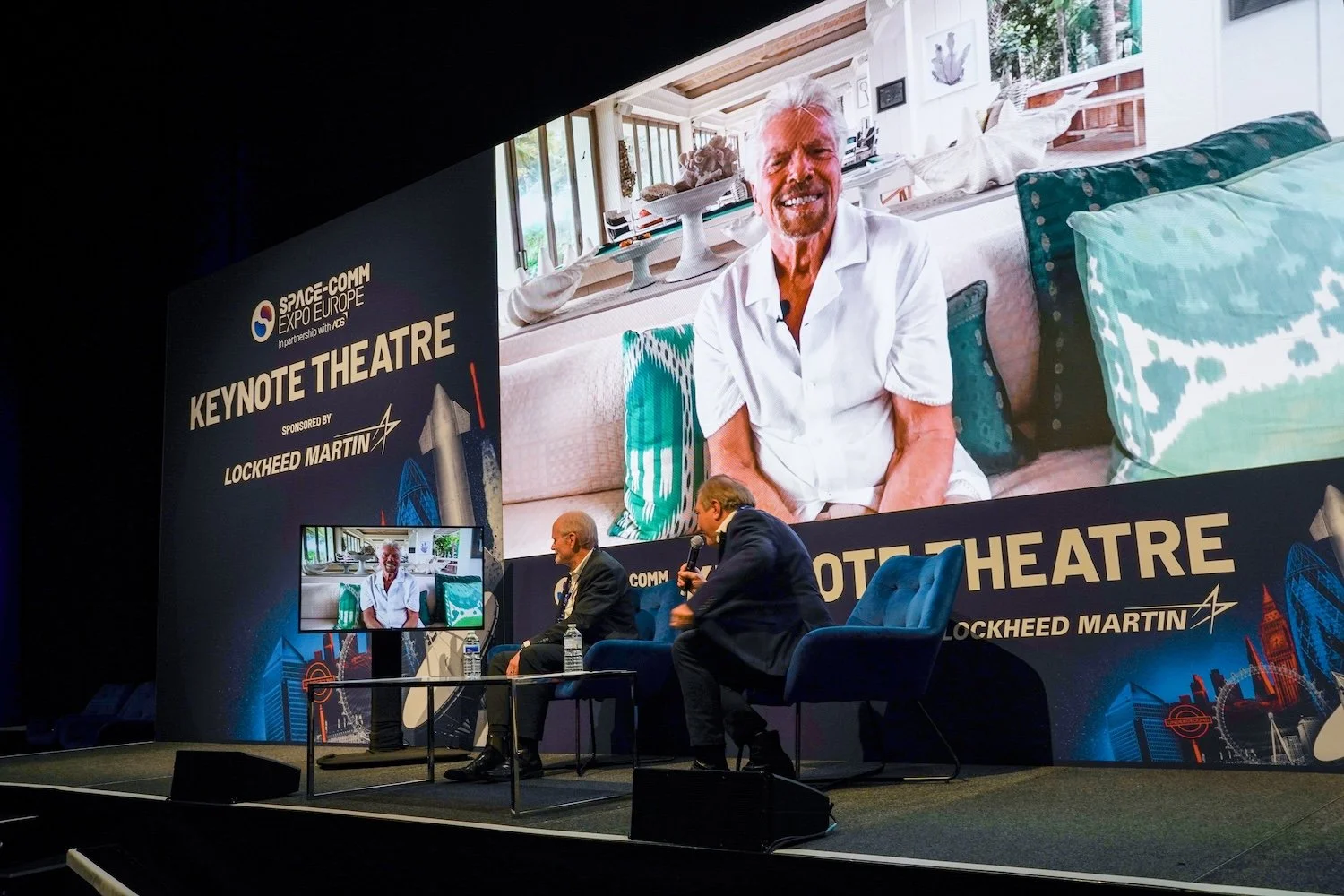
One of the most high-profile appearances came from Richard Branson, founder of Virgin Galactic. His session explored the commercial future of spaceflight and how private companies are pushing boundaries that were once dominated by national space agencies. He reflected on the cultural shift that has taken place in the industry over the past two decades, where entrepreneurial ventures now play a central role in shaping how humanity accesses and uses space.
Another standout session featured Professor Suzie Imber from the University of Leicester, who offered a scientific perspective on the opportunities emerging from new satellite missions and planetary research. Her talk illustrated how discoveries in space science frequently lead to technologies and insights that later find applications here on Earth.
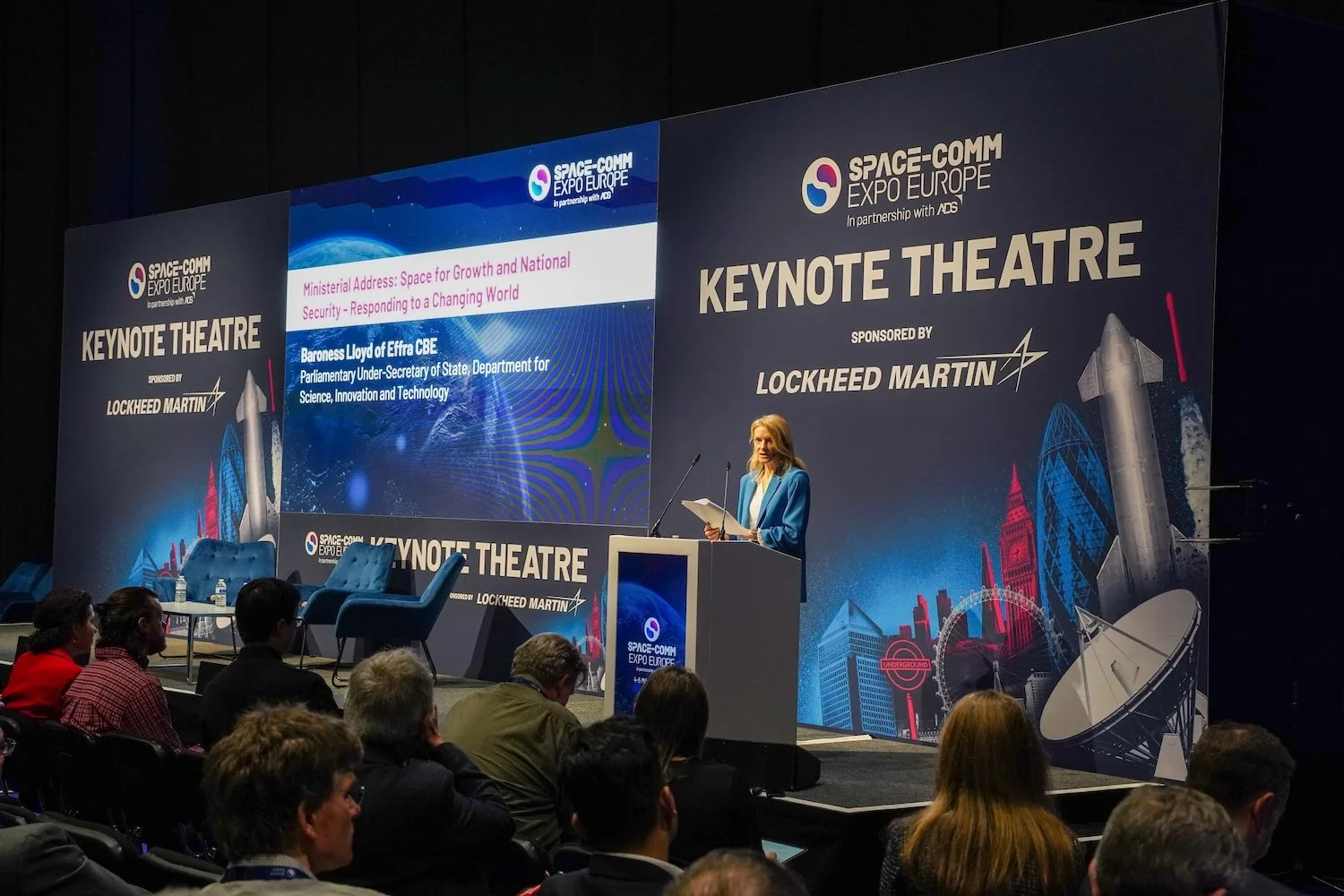
Policy and national strategy were also central themes throughout the conference. Baroness Lloyd of Effra from the Department for Science, Innovation and Technology outlined the UK government’s ambitions for growing the domestic space sector and supporting emerging companies through targeted investment and regulation. Meanwhile, Major General Paul Tedman from UK Space Command spoke about the increasing strategic importance of space capabilities for defence and national security.
Across the conference, the discussions consistently returned to a common theme: the space industry is steadily turning science fiction into science fact. Advances in launch systems, satellite platforms, and space-based infrastructure are reshaping how nations communicate, navigate, monitor the planet, and conduct security operations. For us as a team, attending Space-Comm Expo Europe provided a valuable opportunity to see first-hand how rapidly the ecosystem is evolving and where new opportunities may emerge within the broader space and deep-tech landscape.
You Might Also Like: